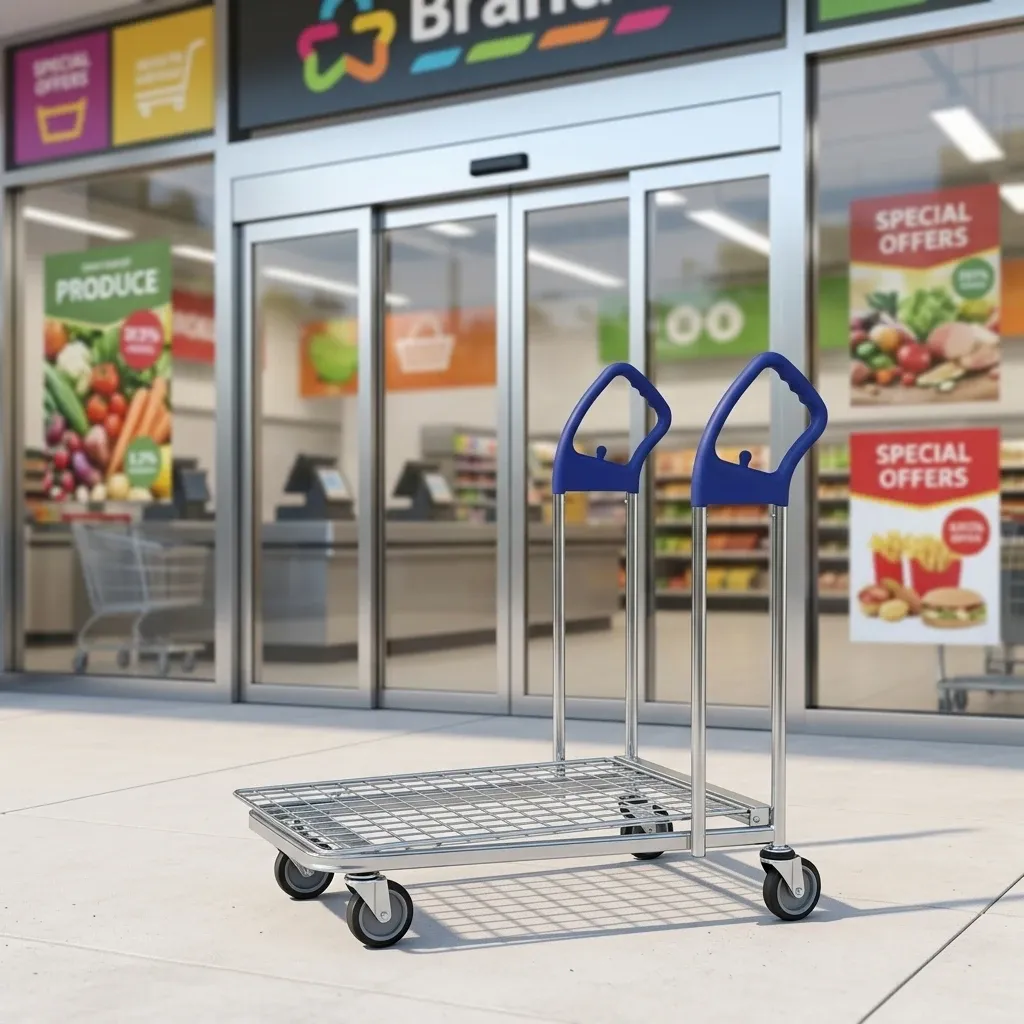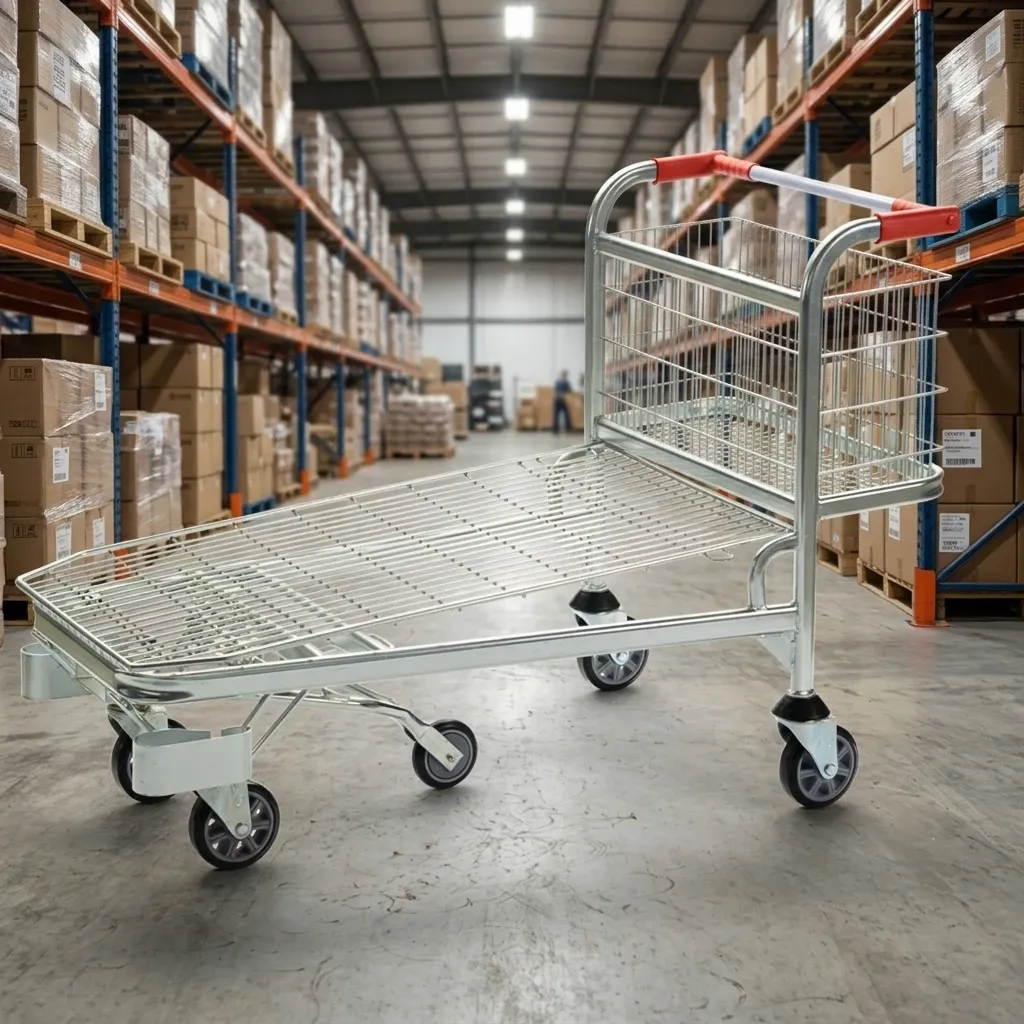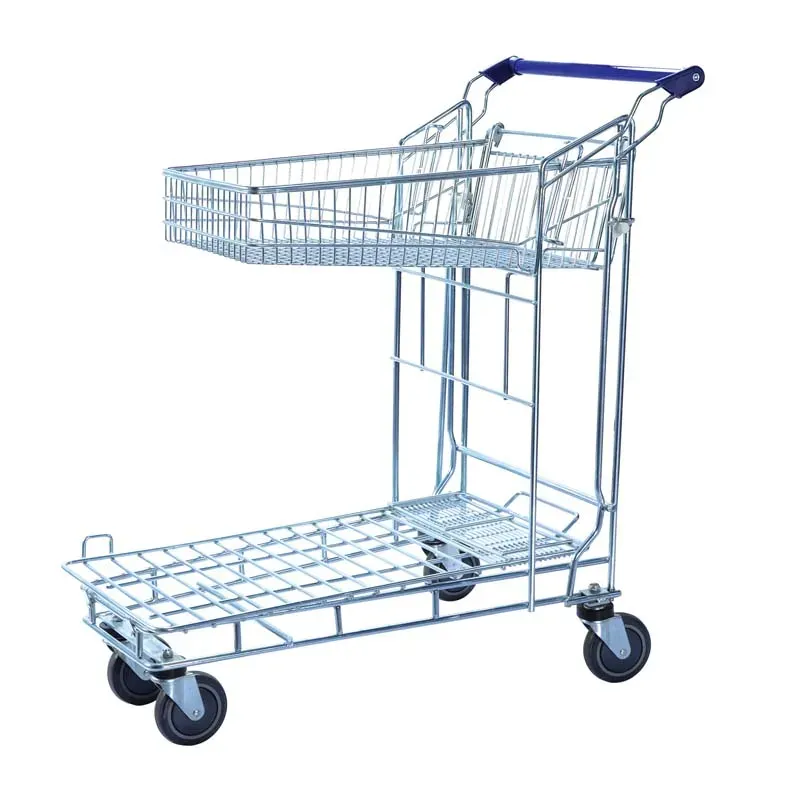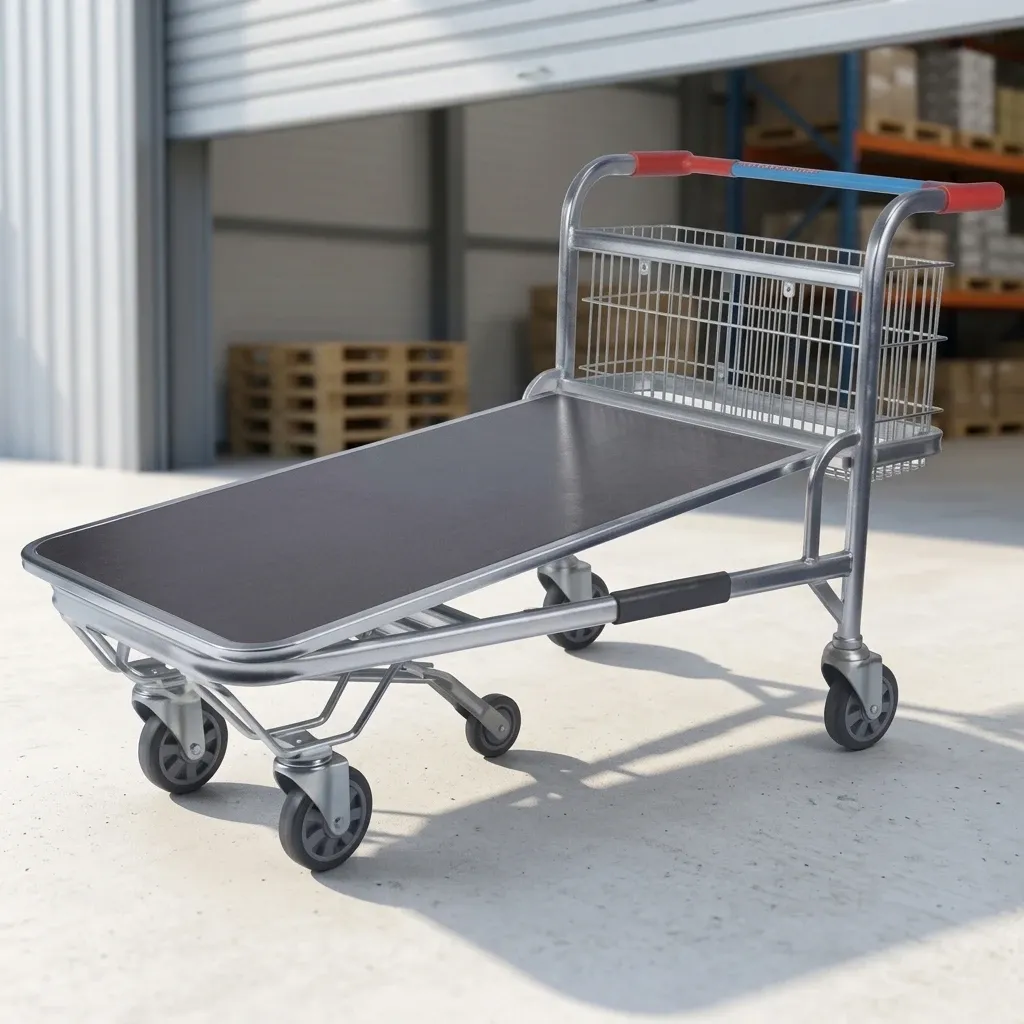
Warehouse Trolley
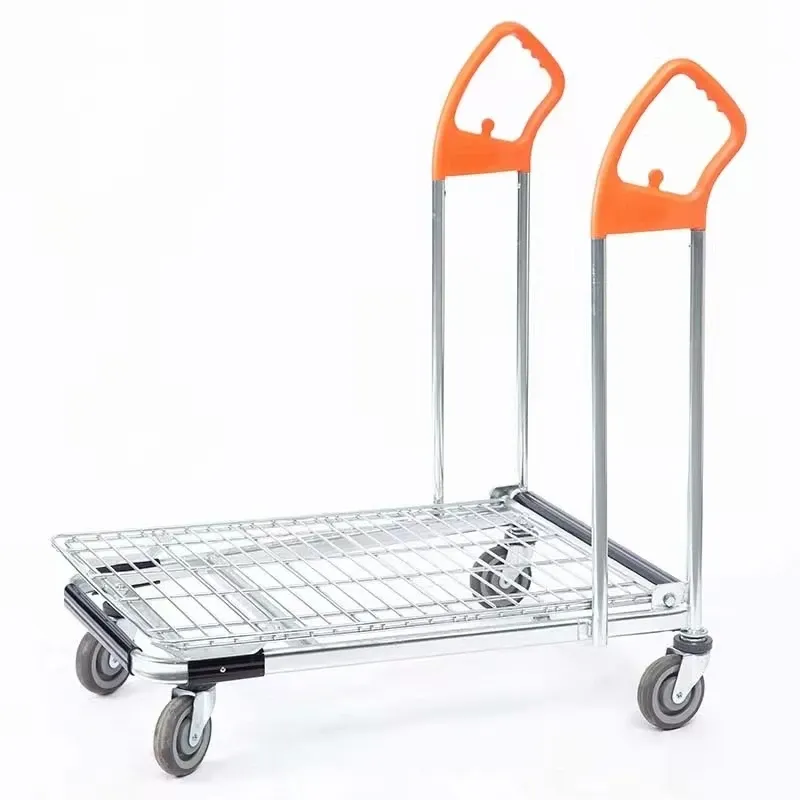
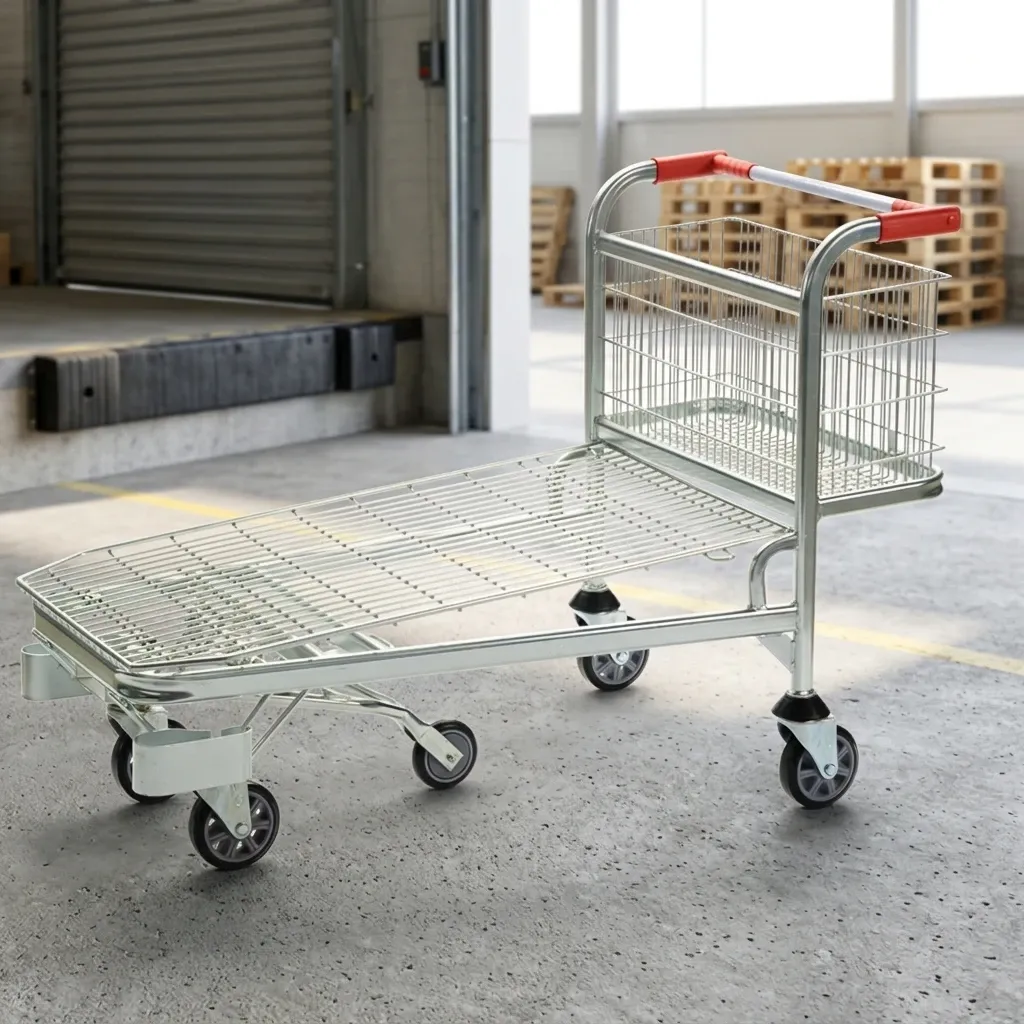
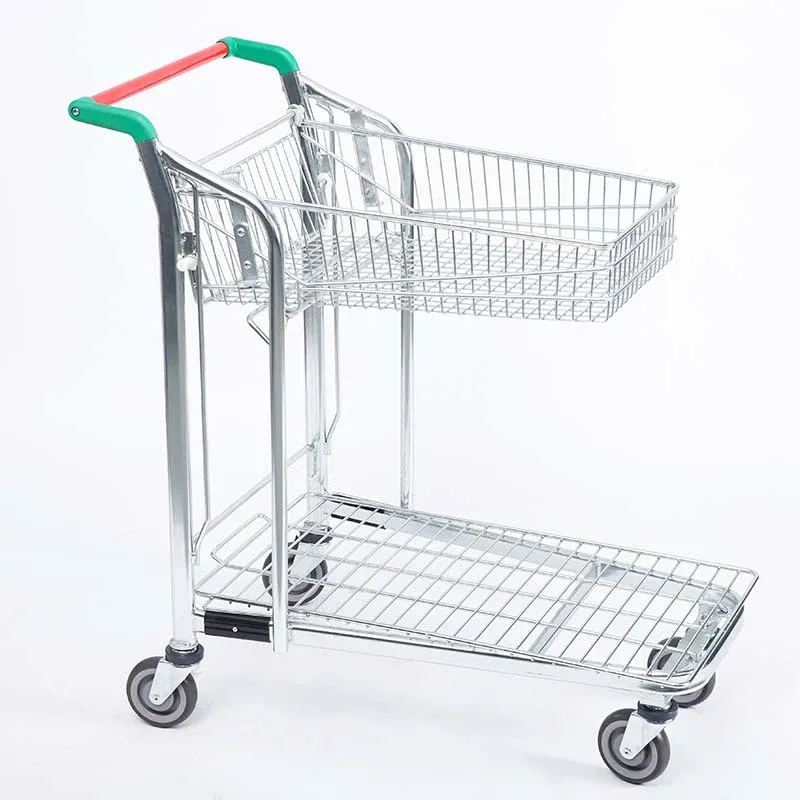
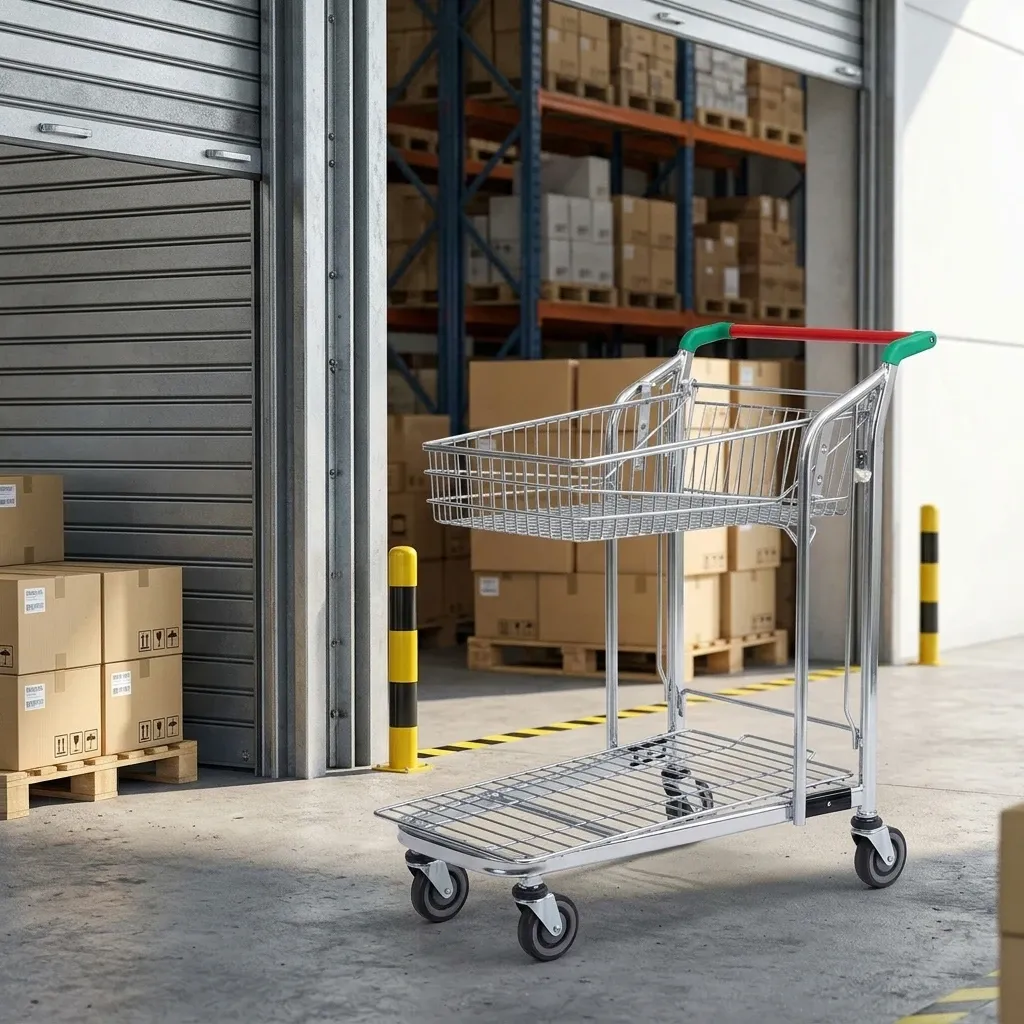
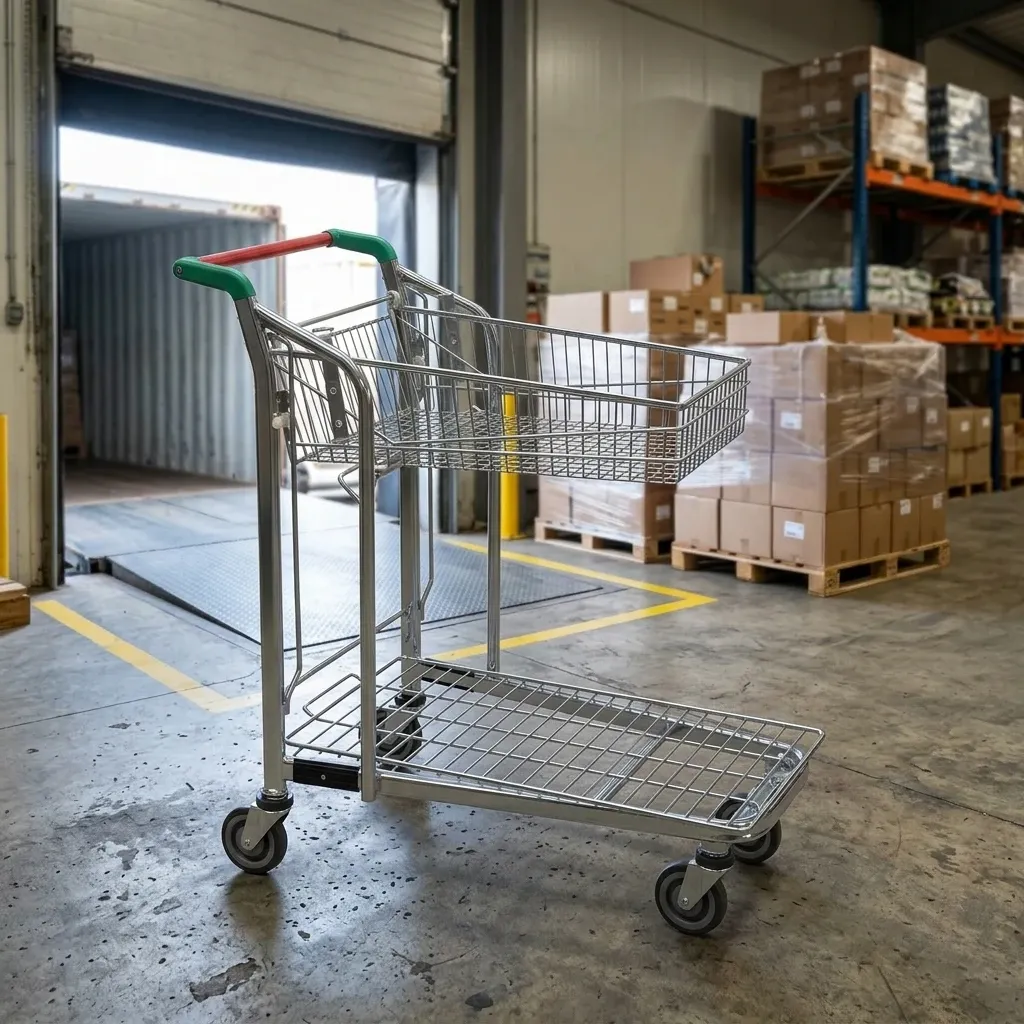
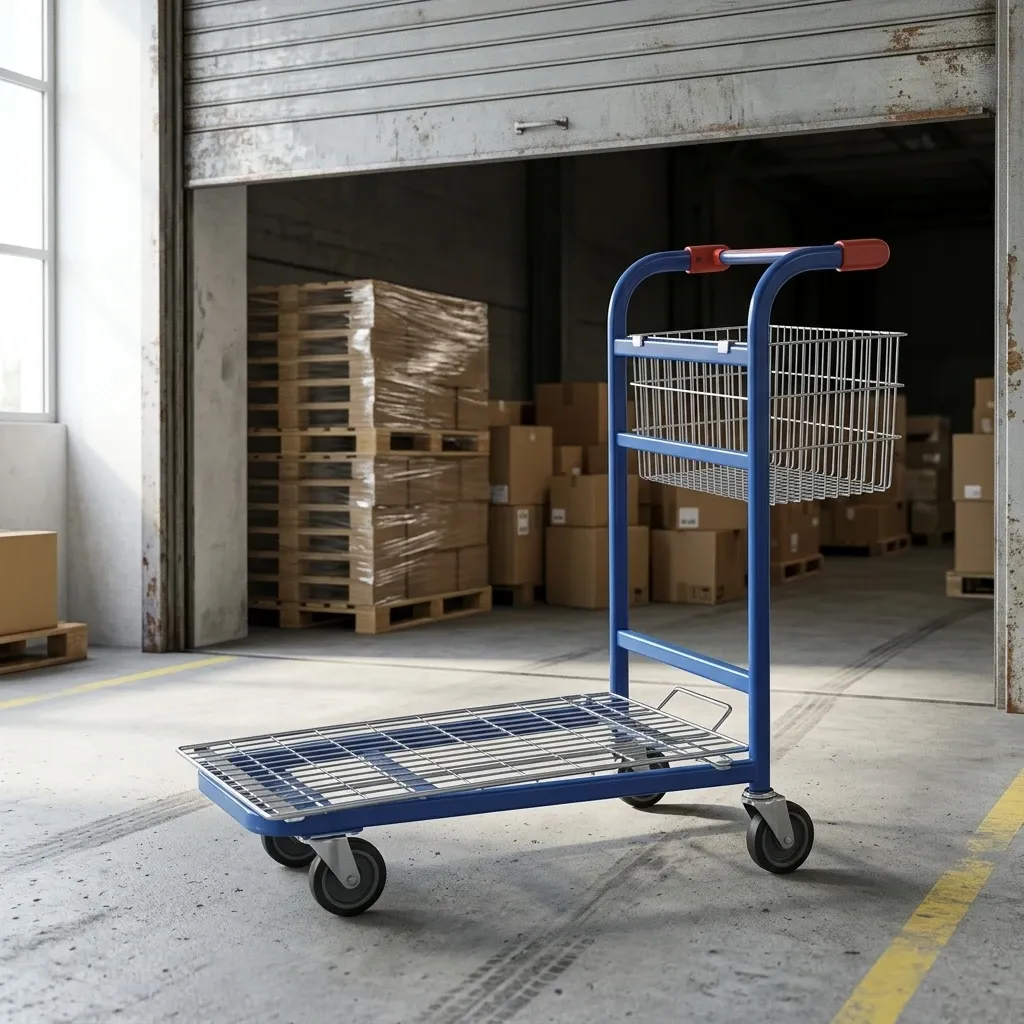
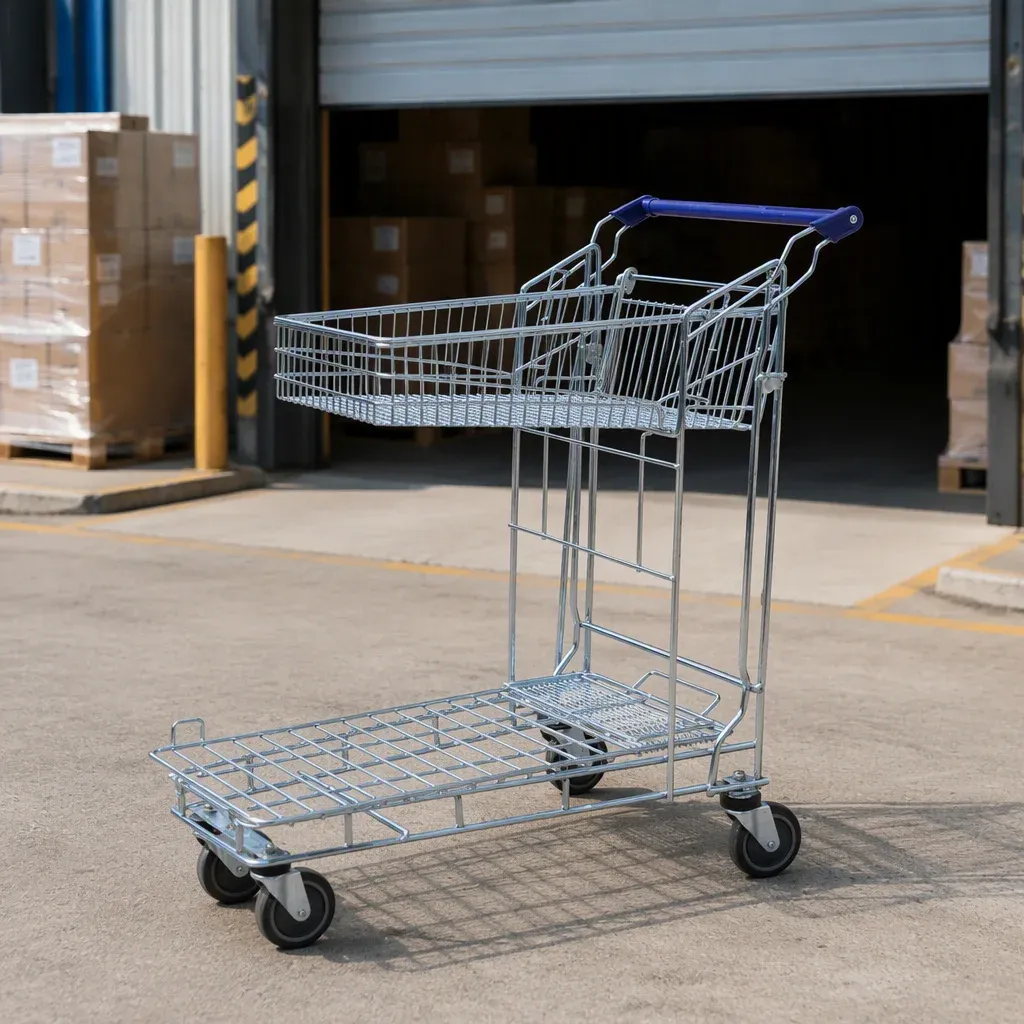
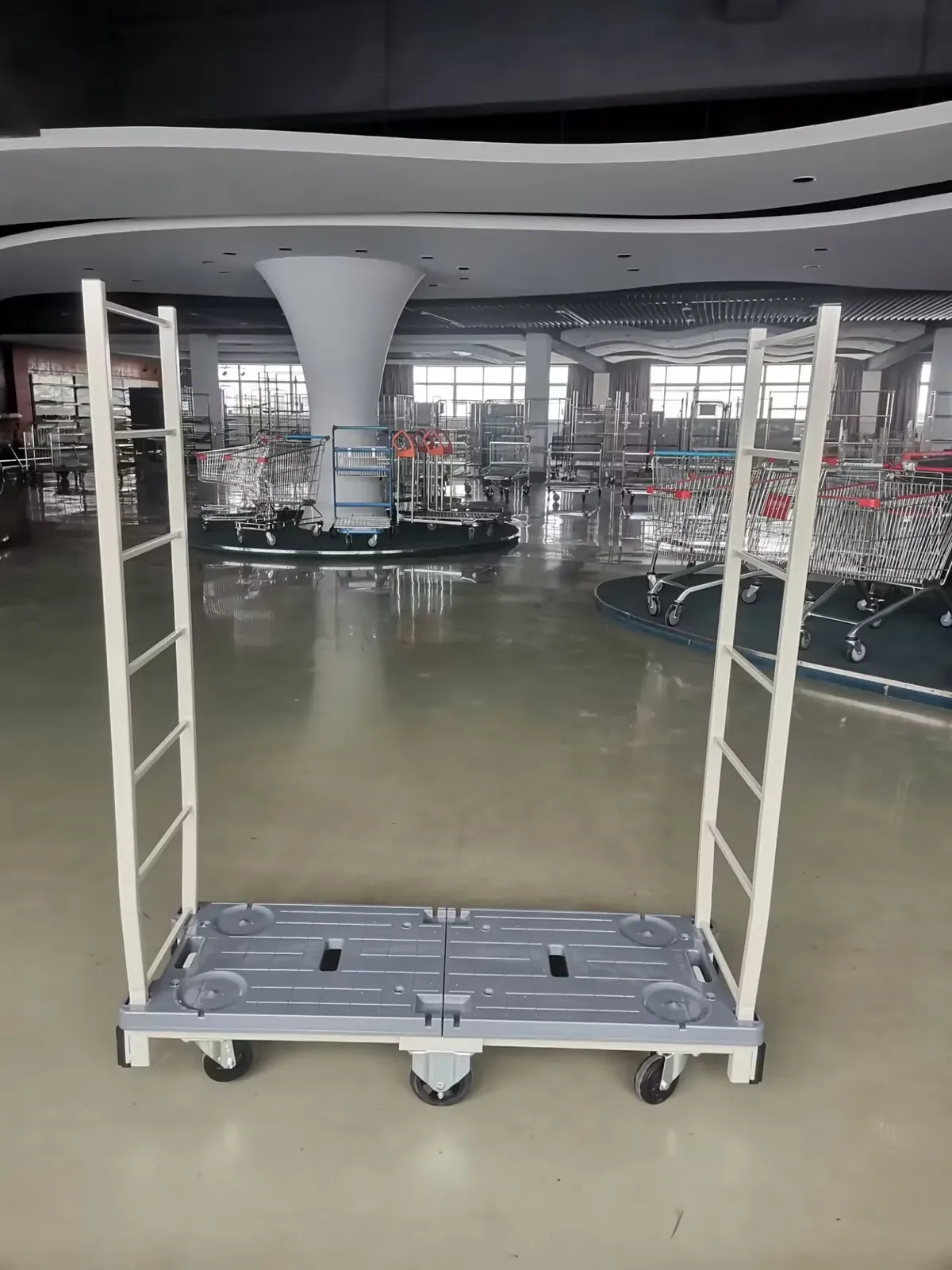
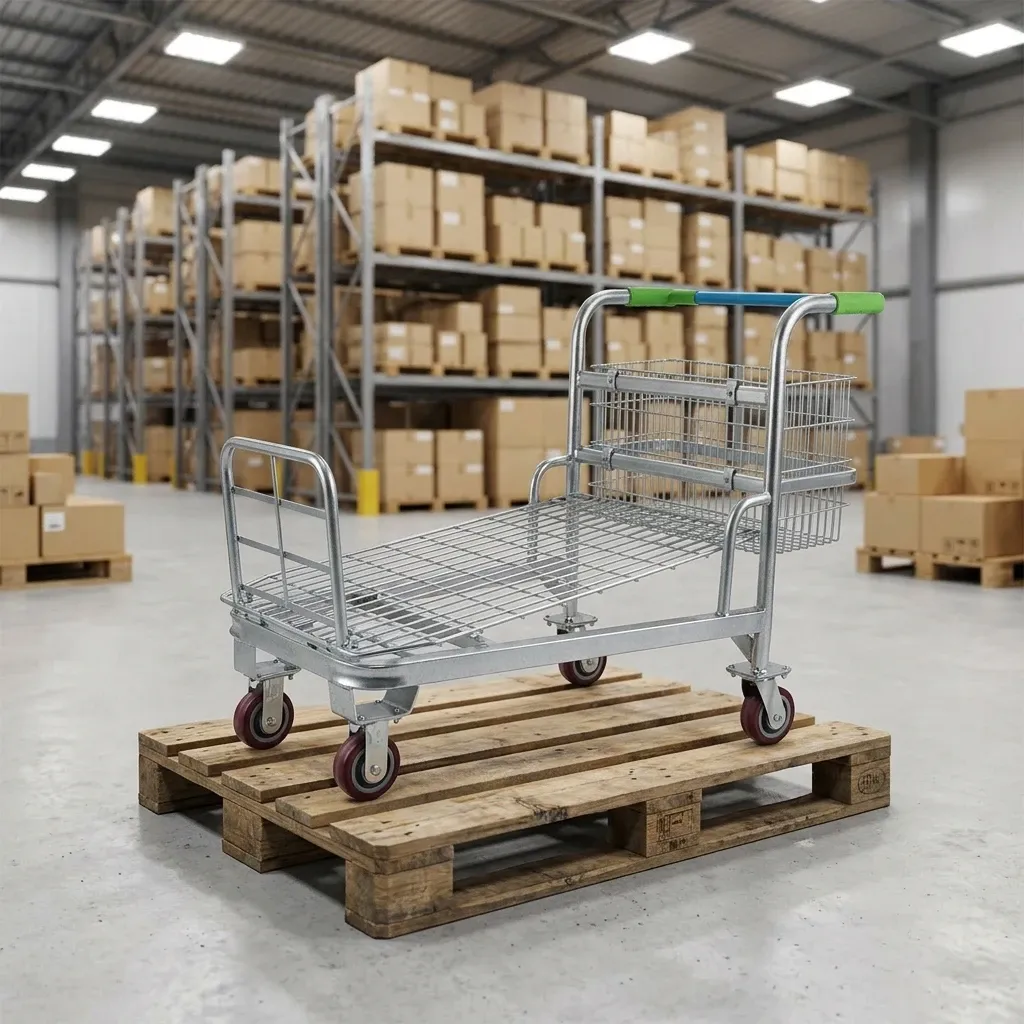
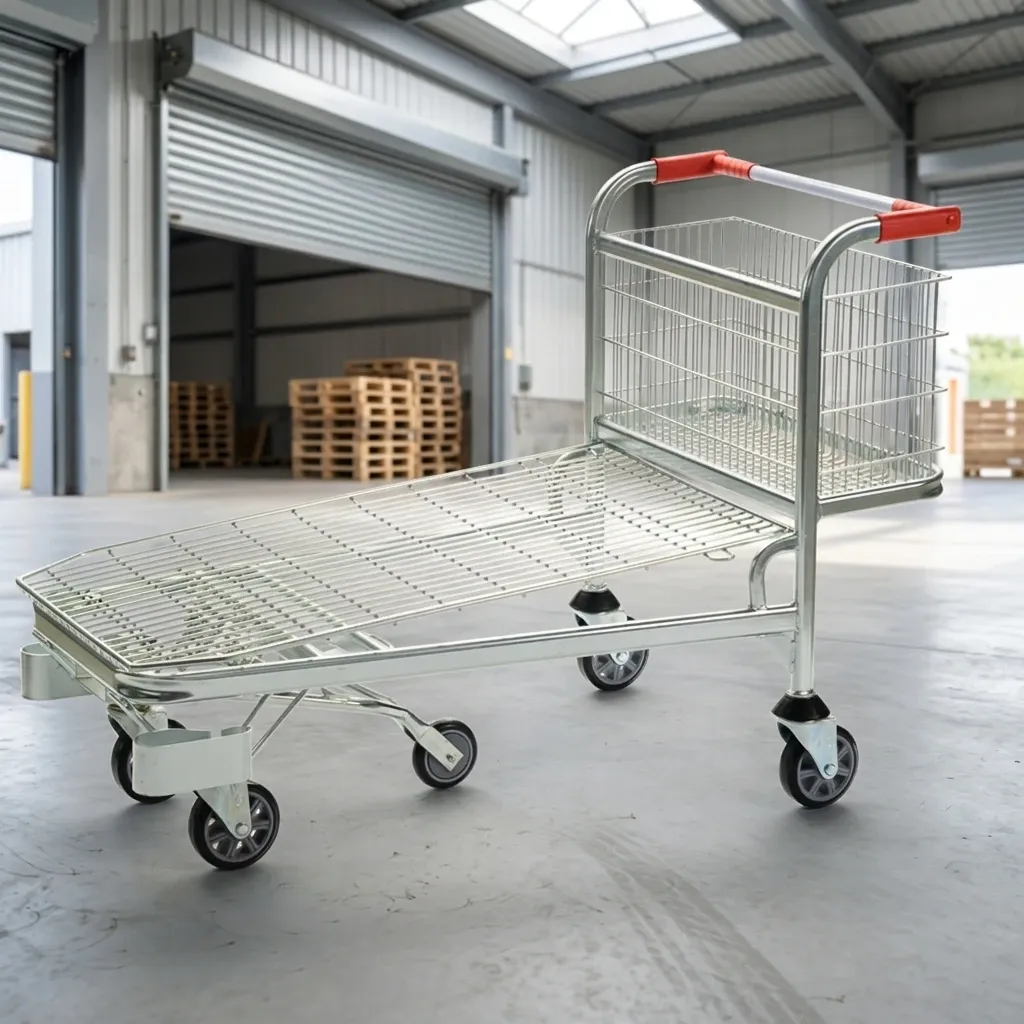
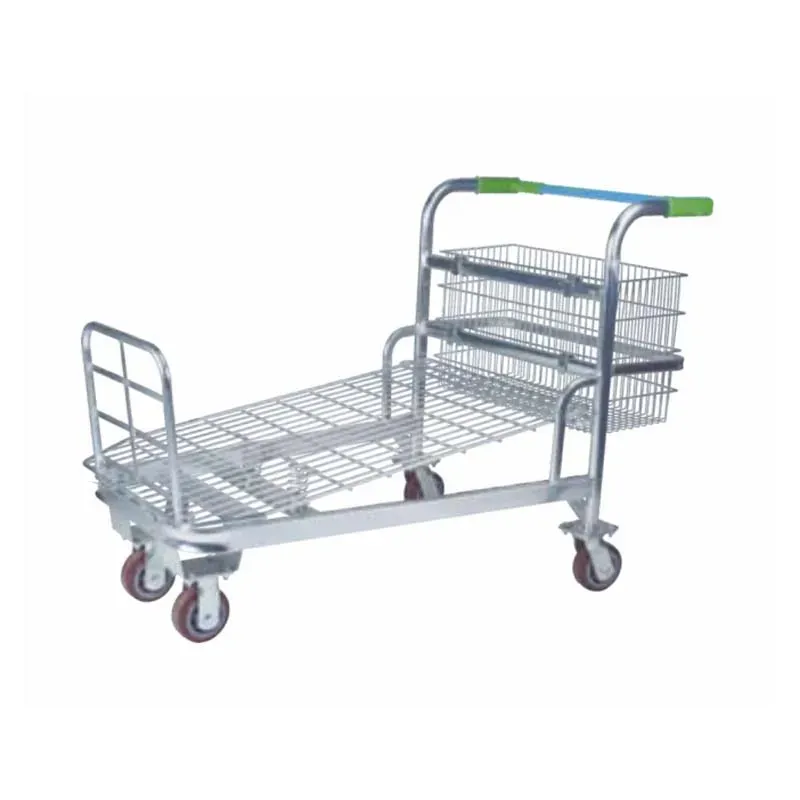
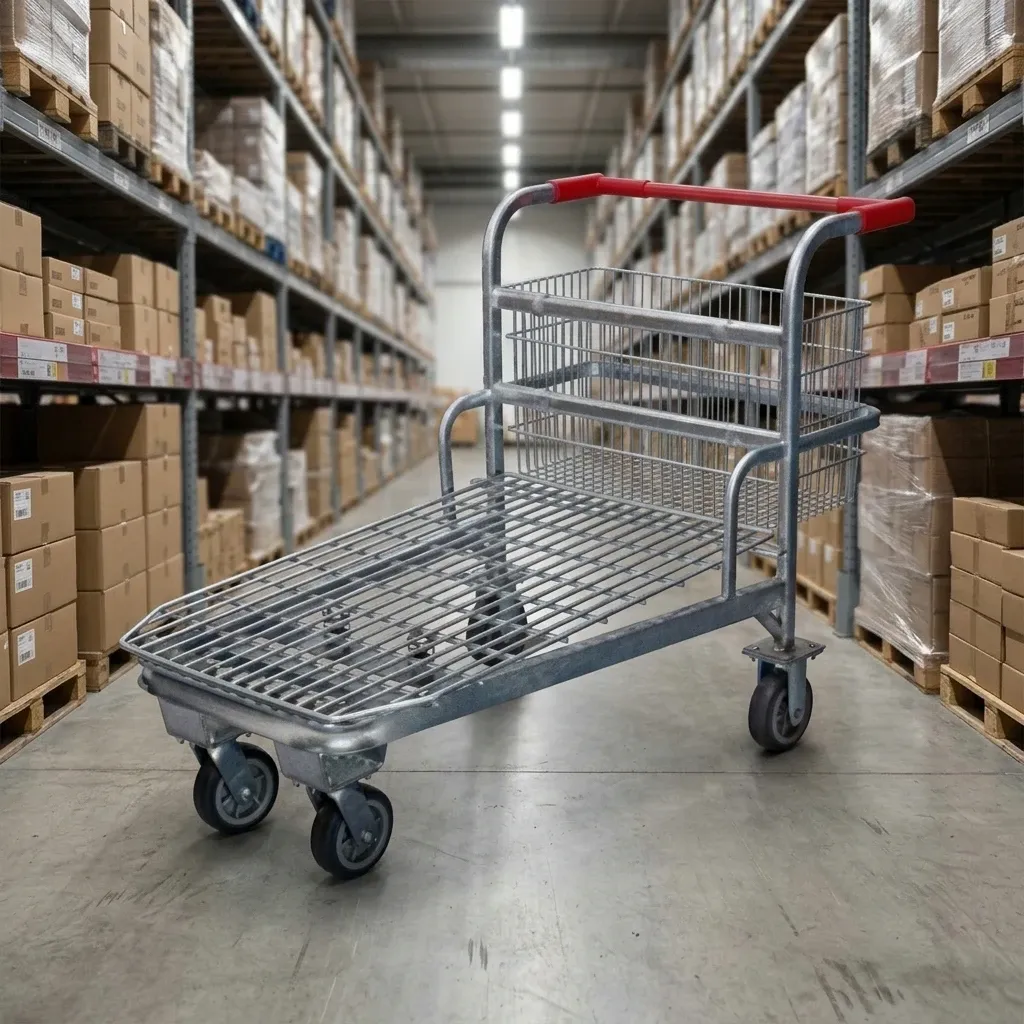
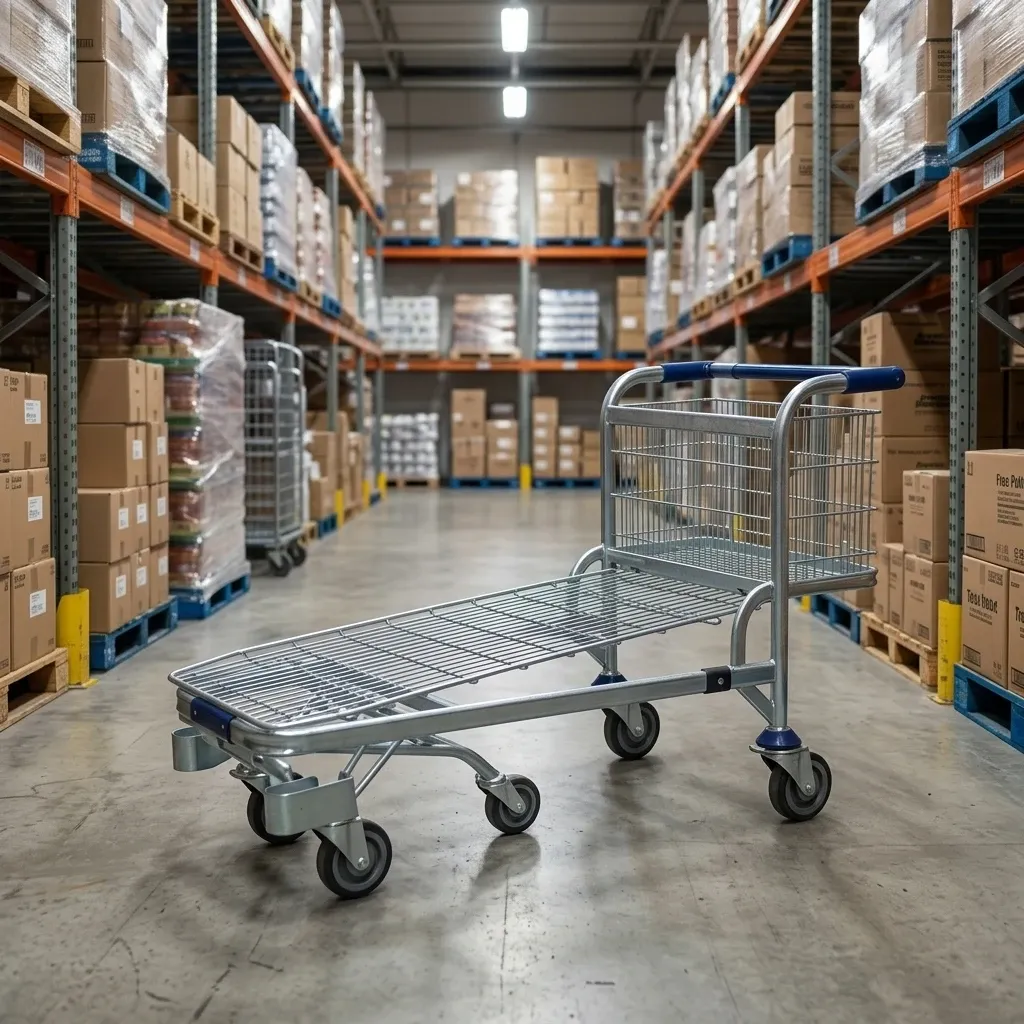
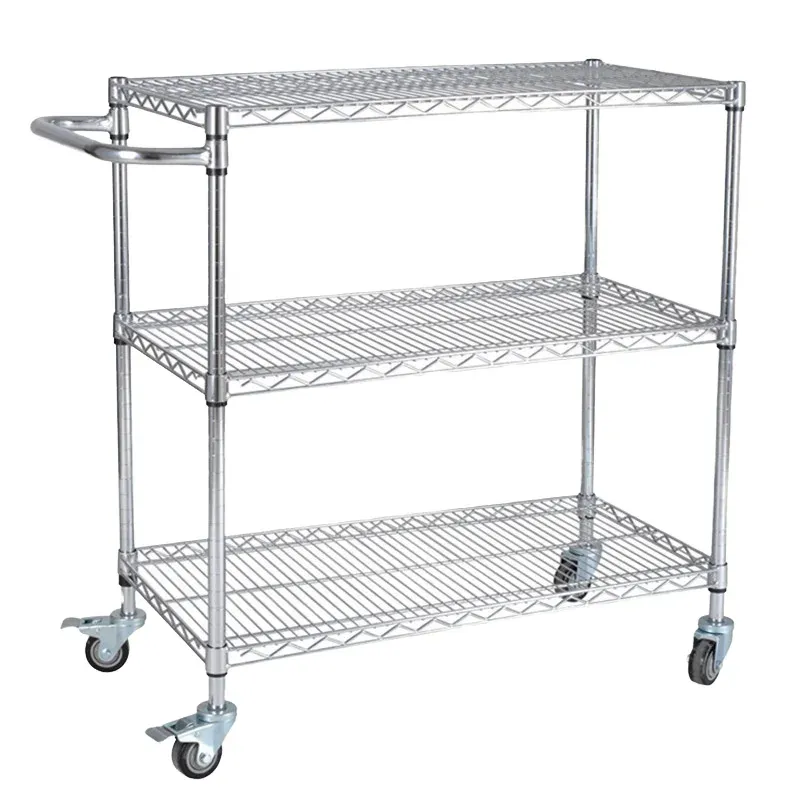
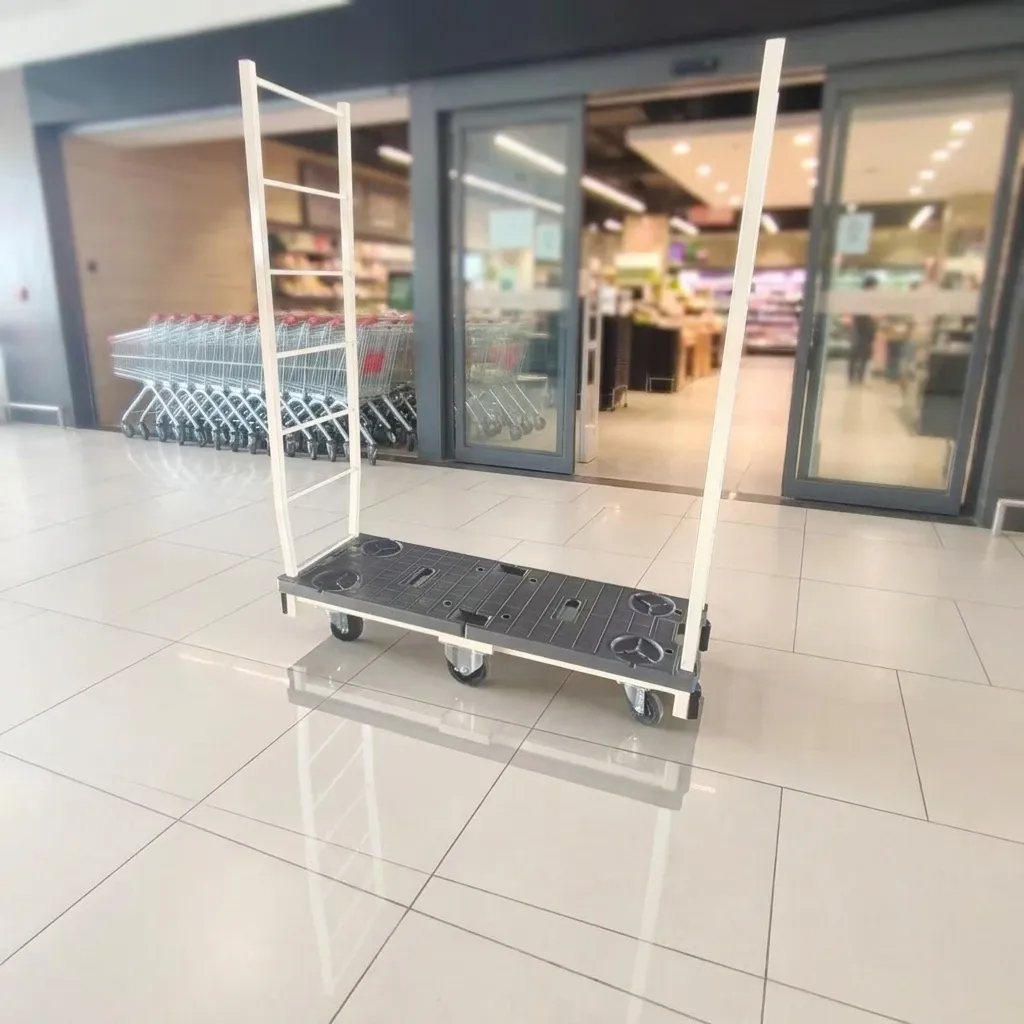
U-Boat Stock Trolley, 500 kg
500 kg
from£28per unit, ex VAT, bulk price
Any quantity welcome. Ask us for a price.Prices ex VAT
Business customers only
from £28 per unit ex VAT, bulk price
Get a quote in 1 working dayNo products match those filters.
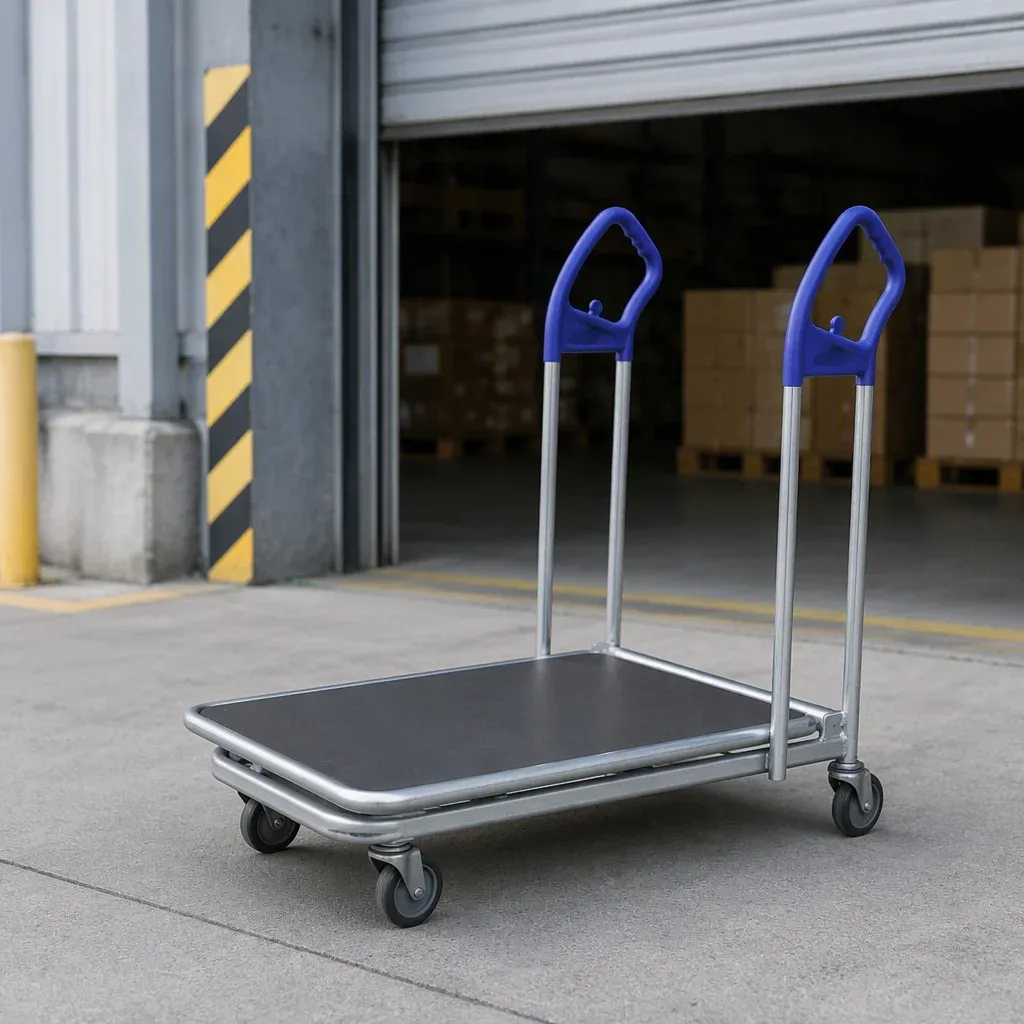
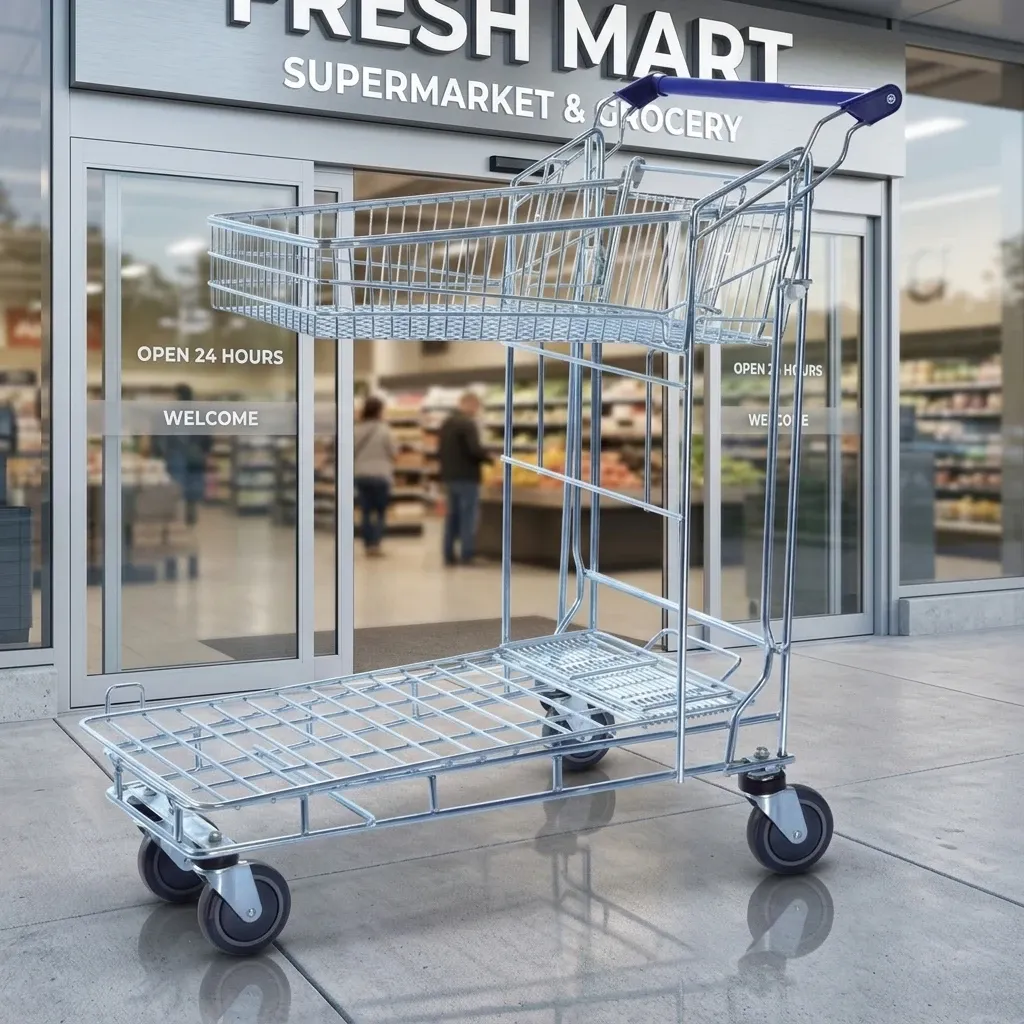
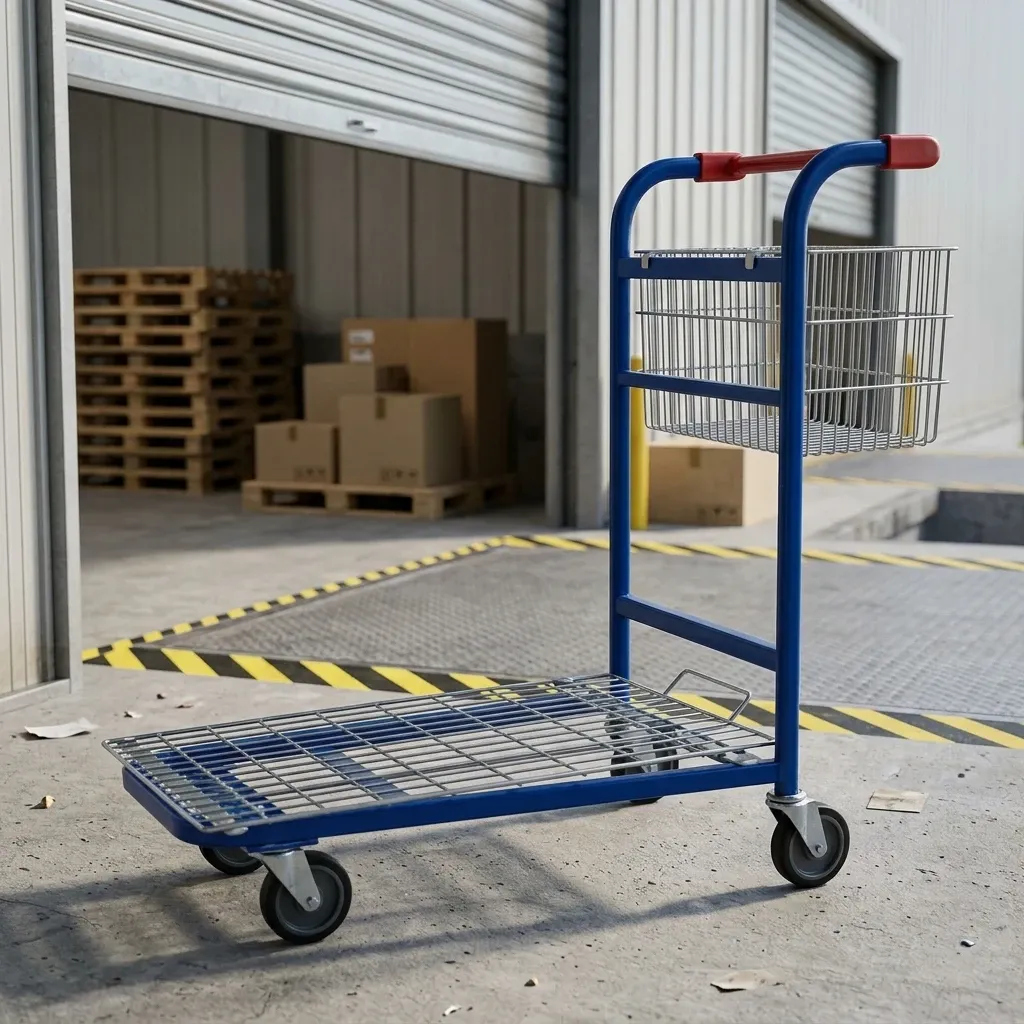
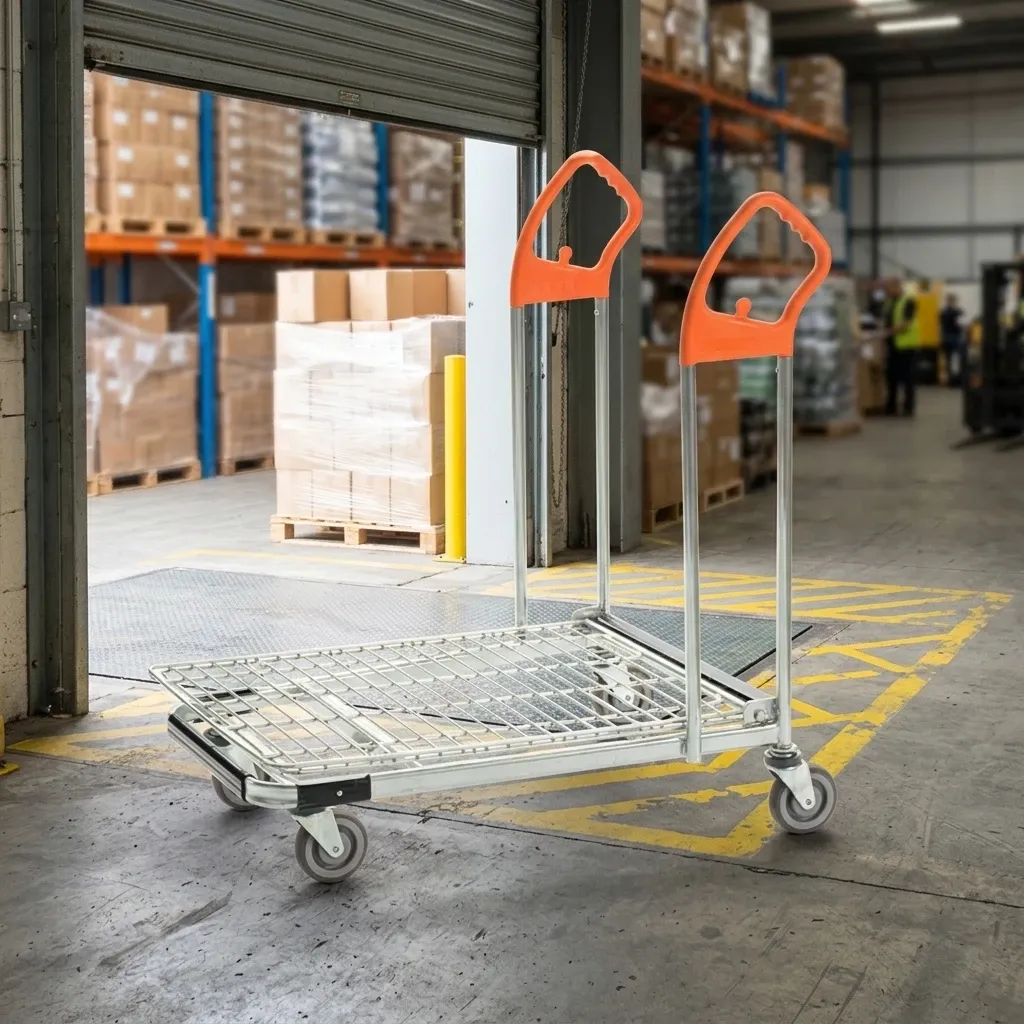
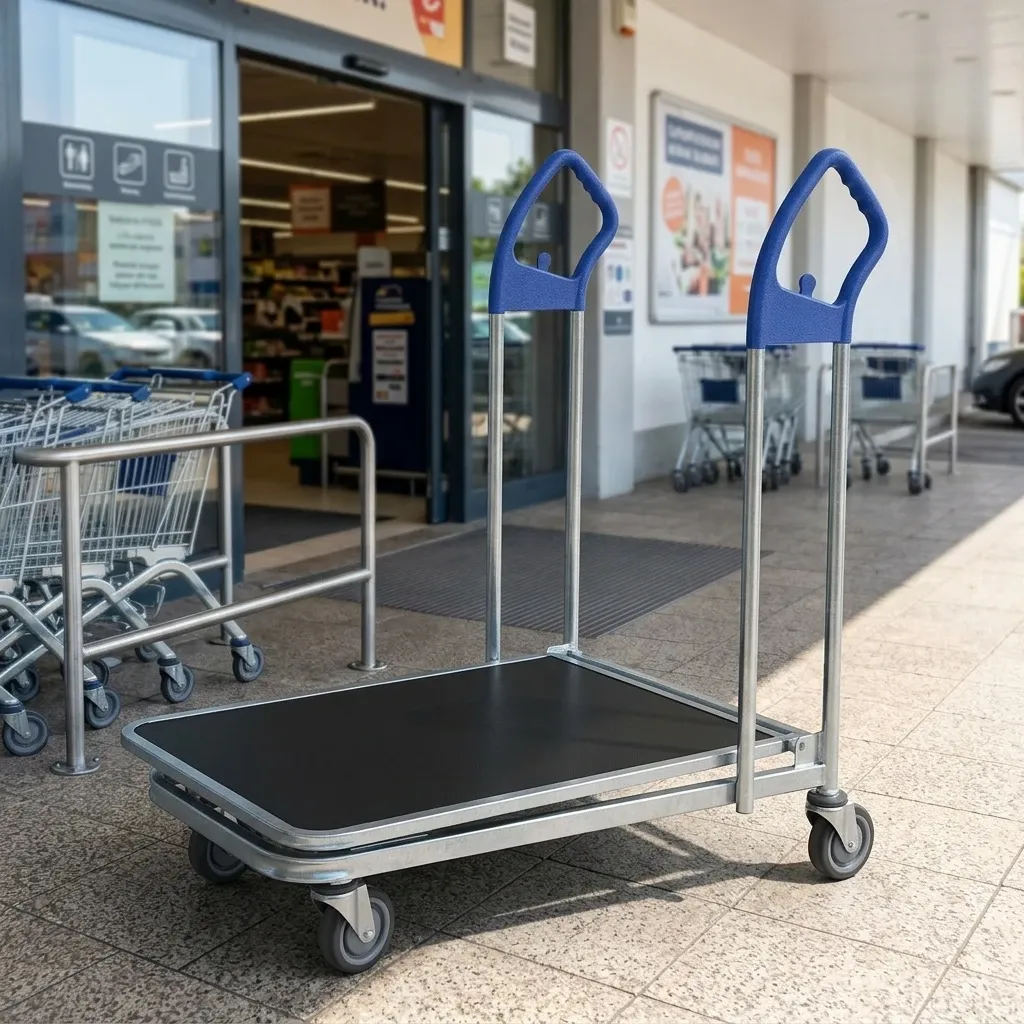
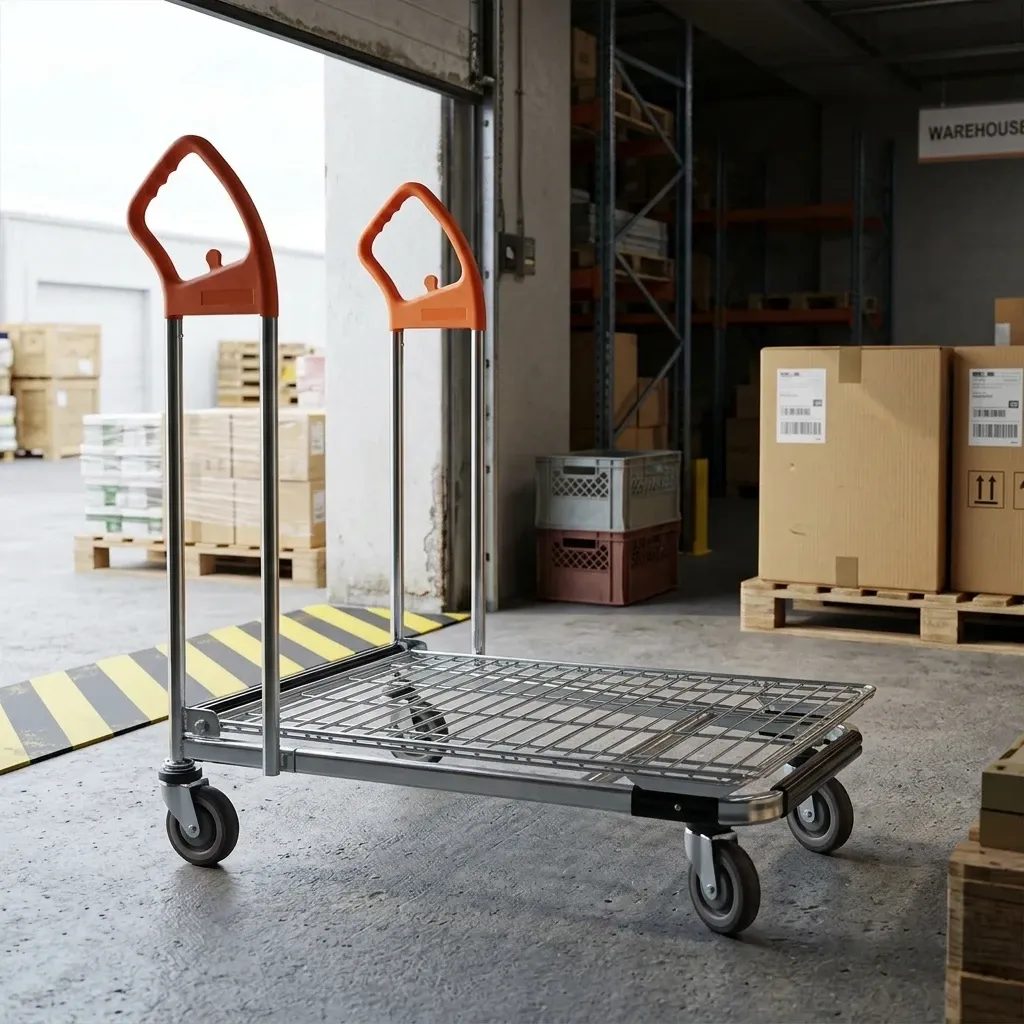
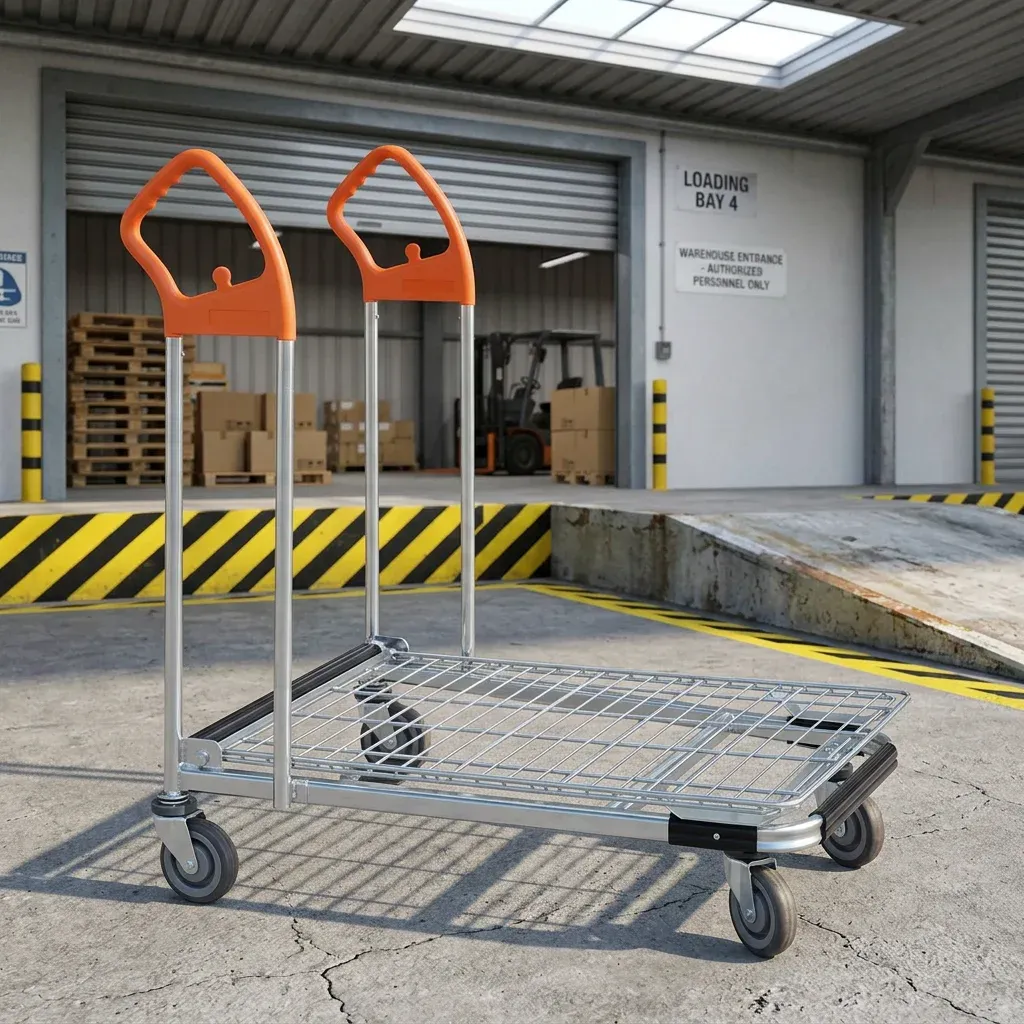
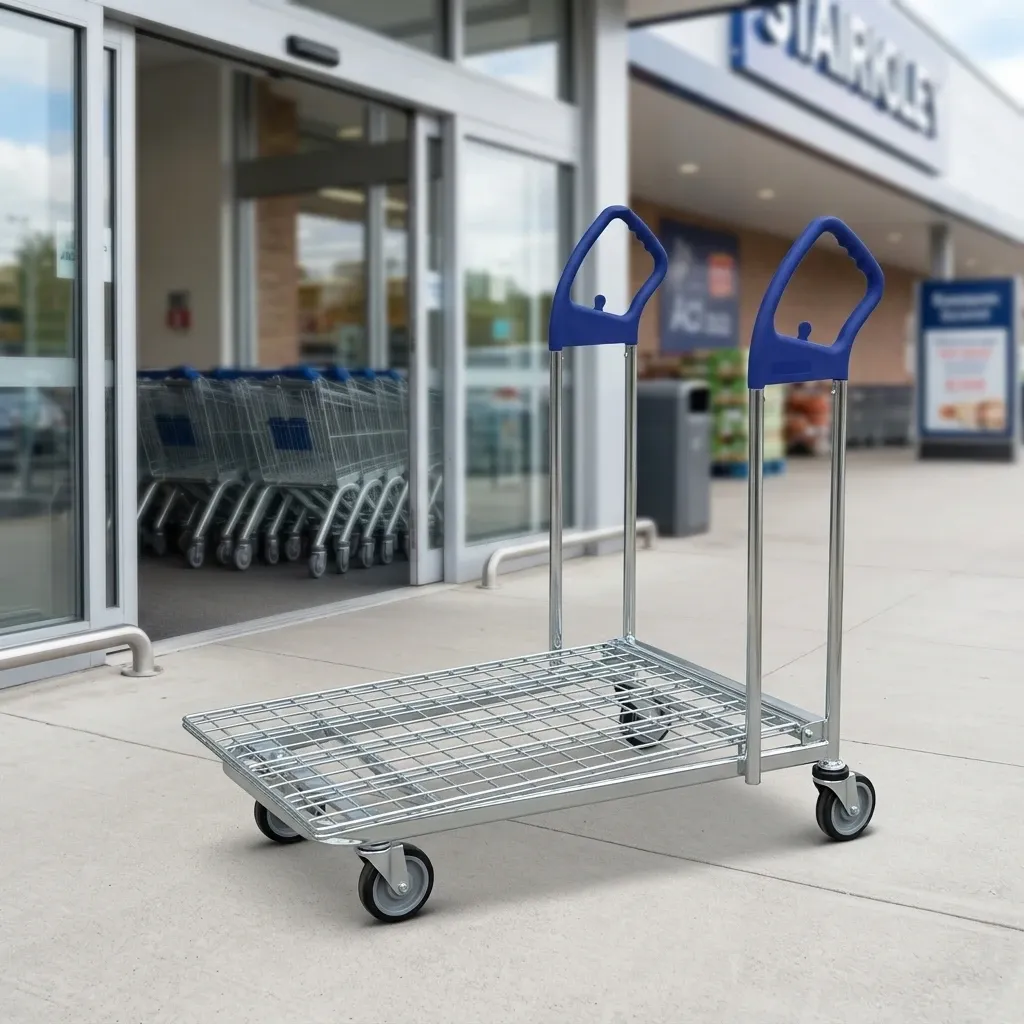
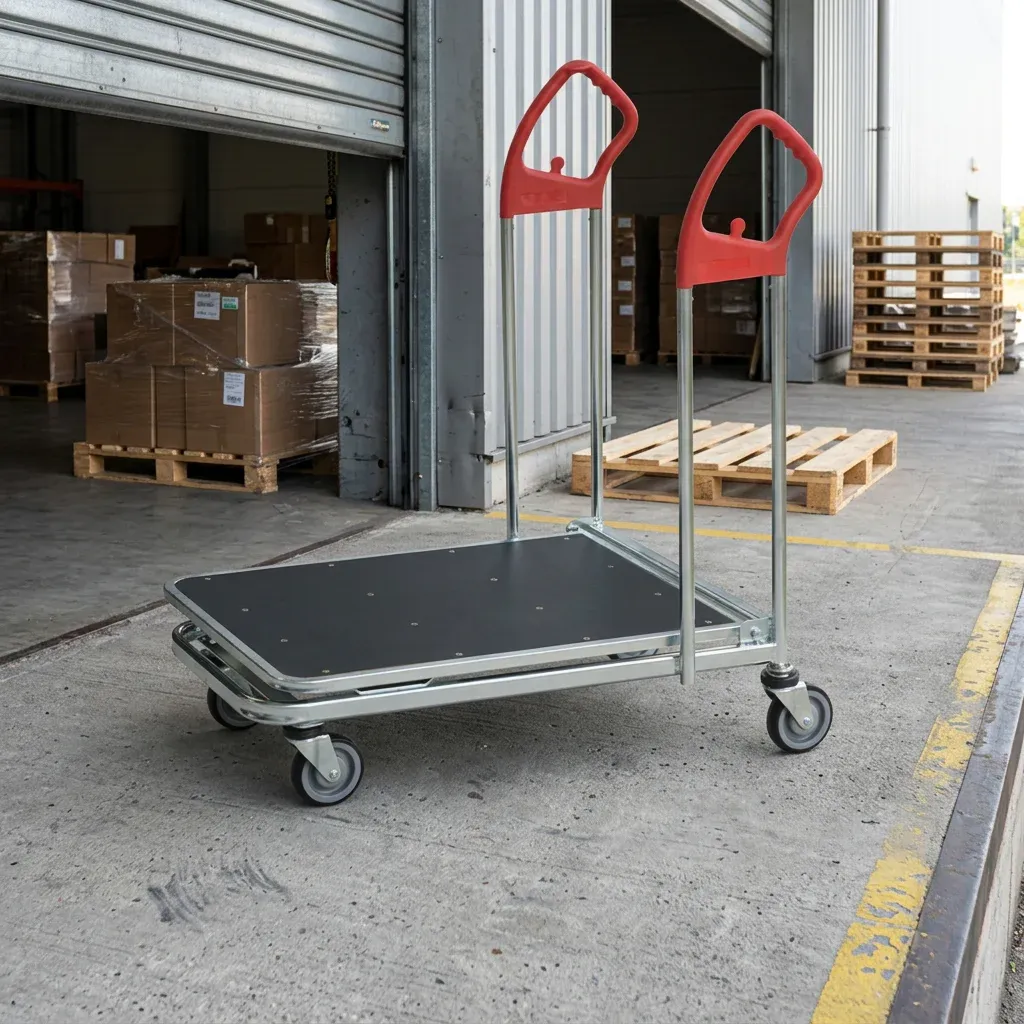
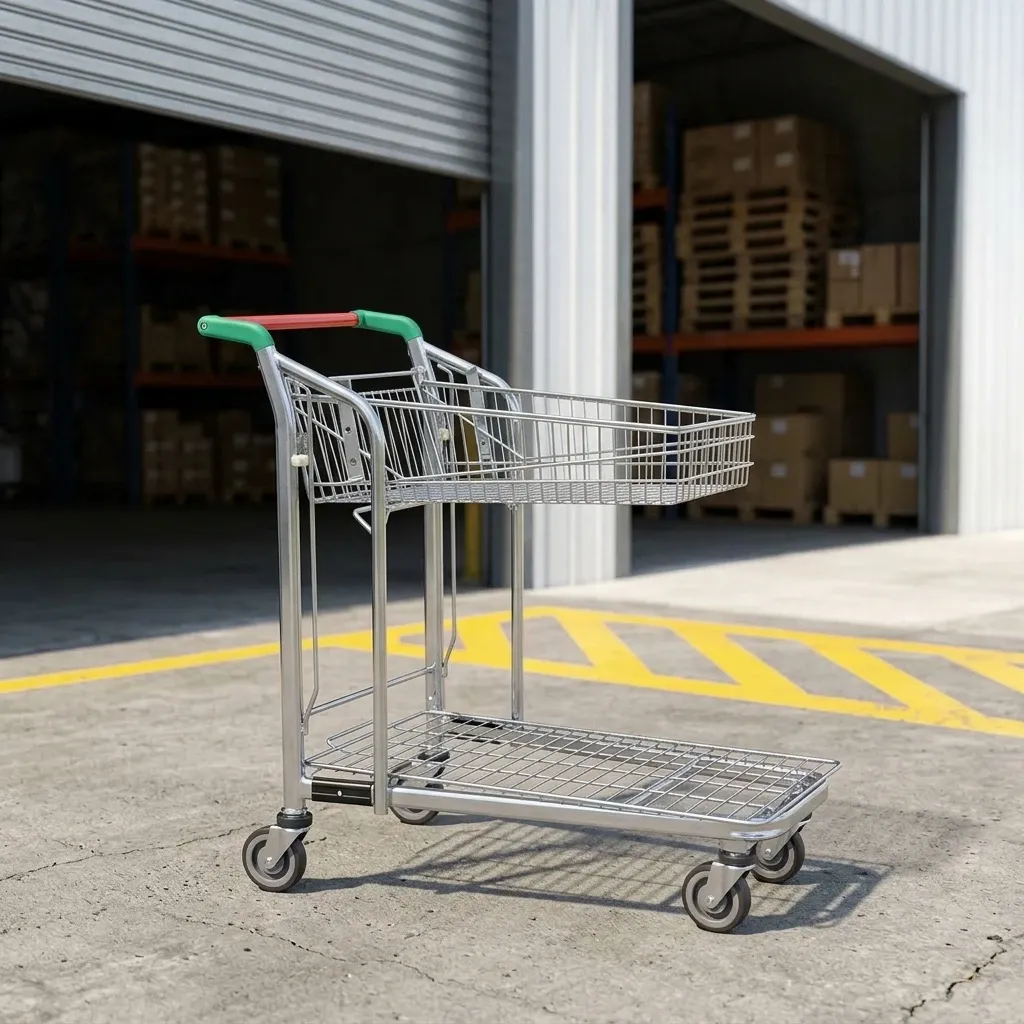
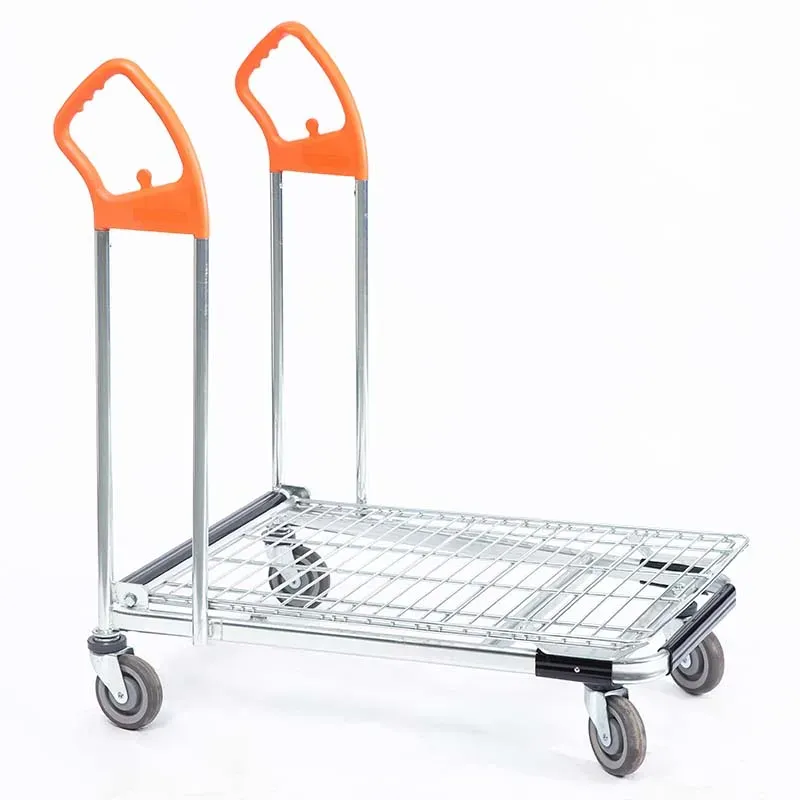
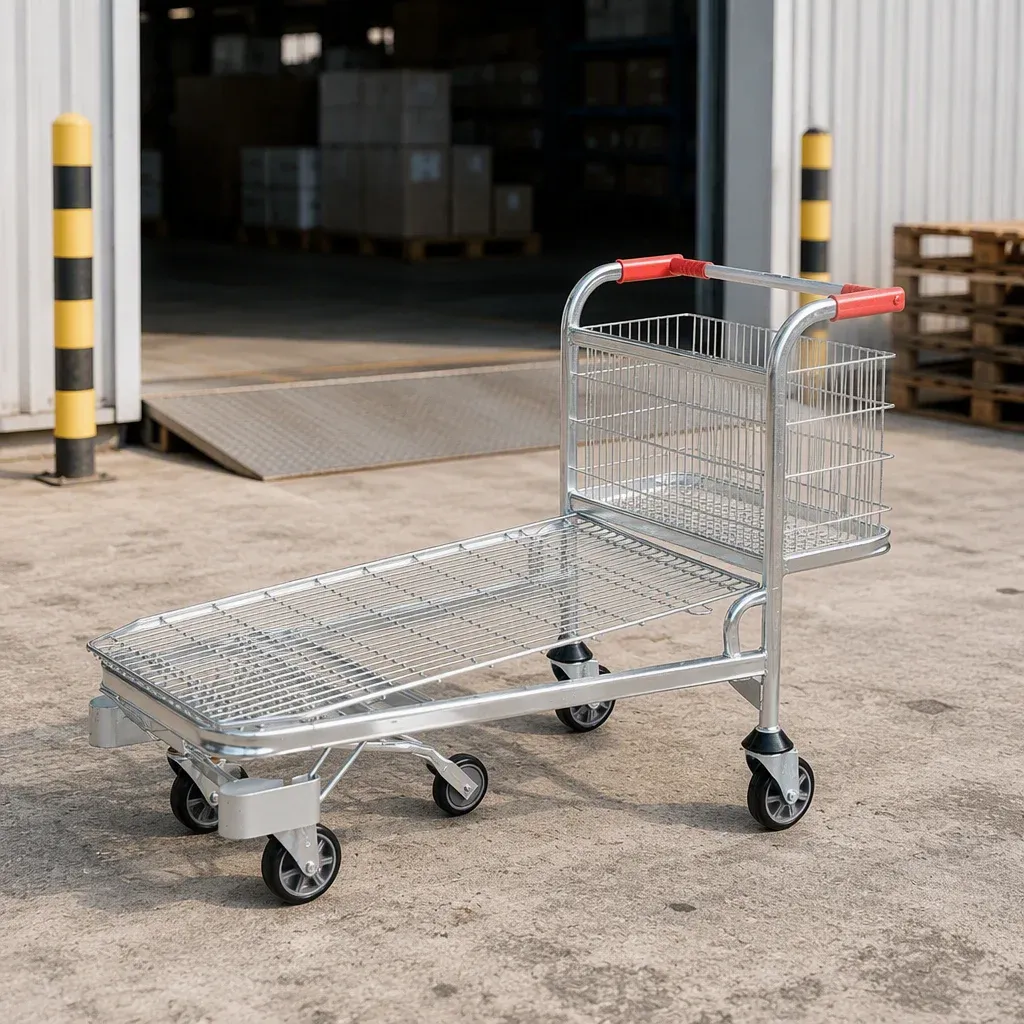
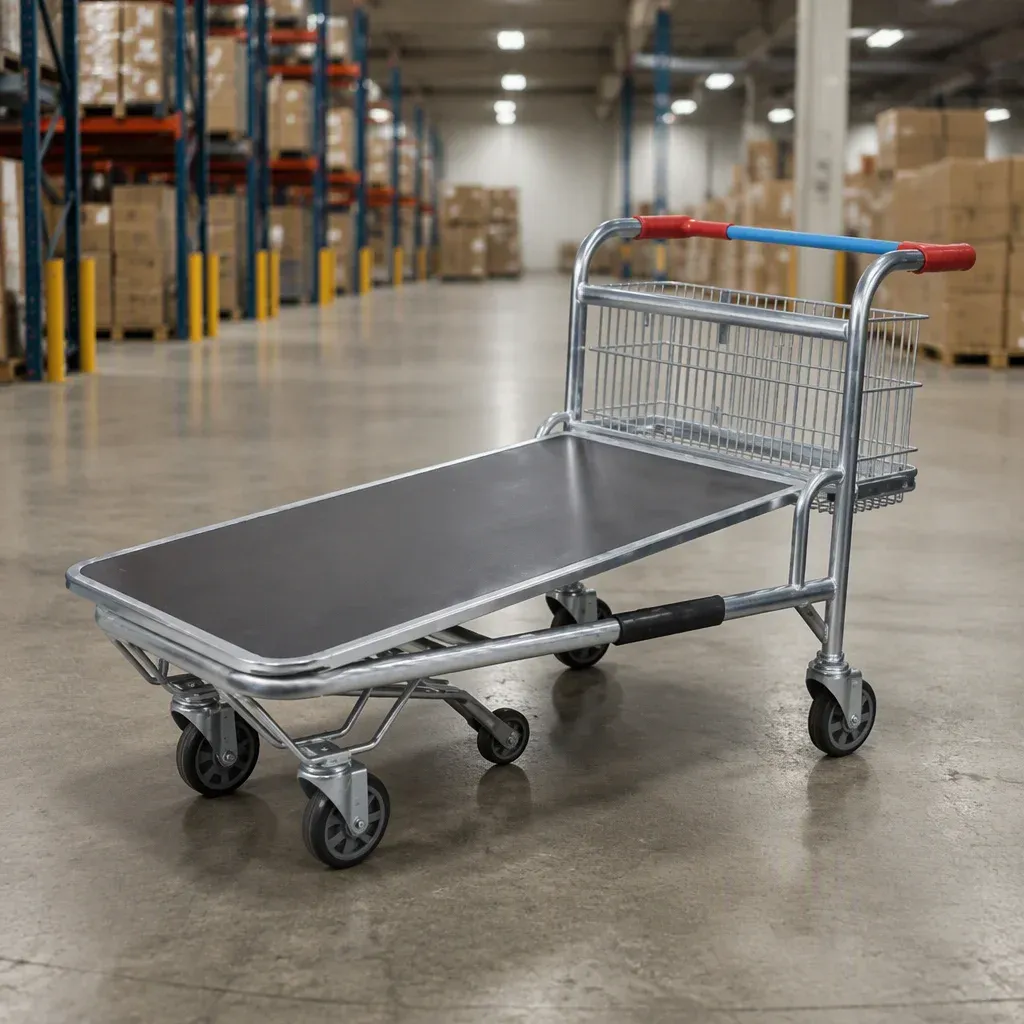
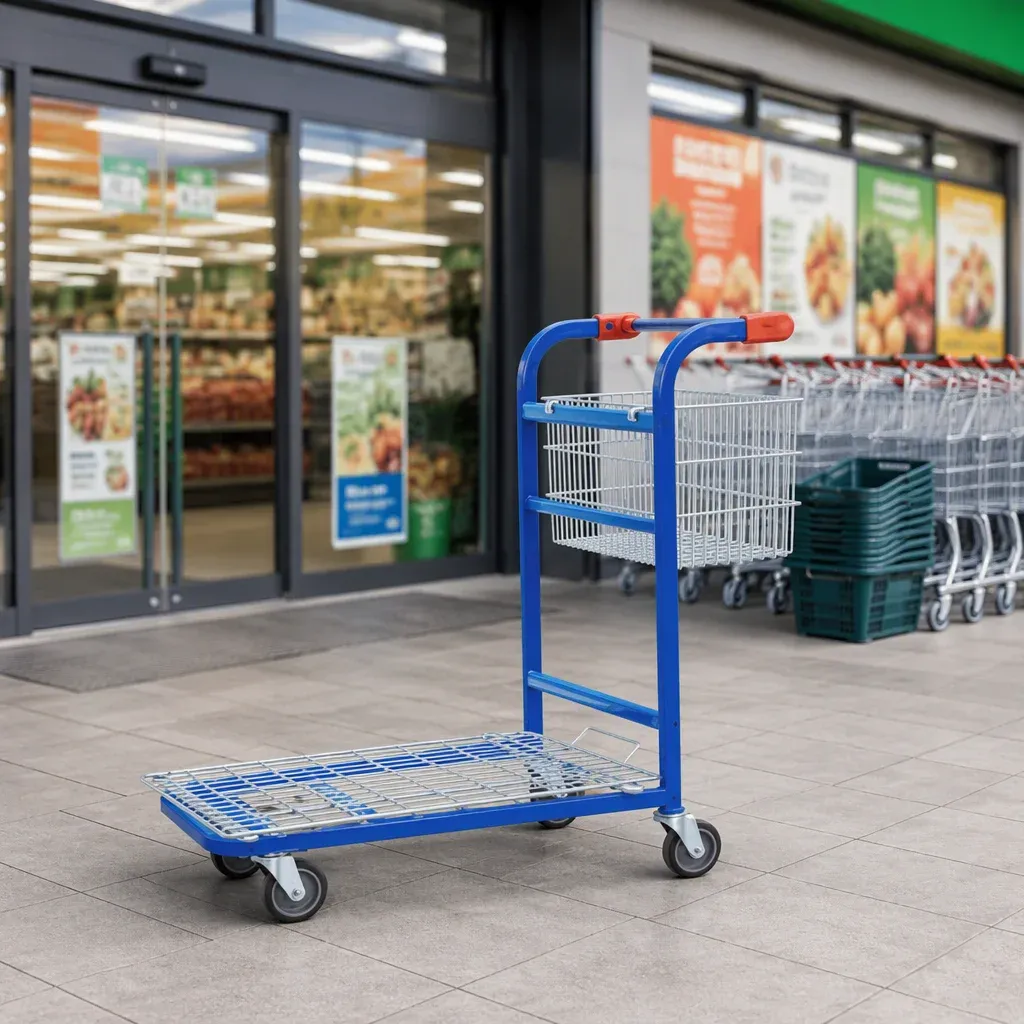
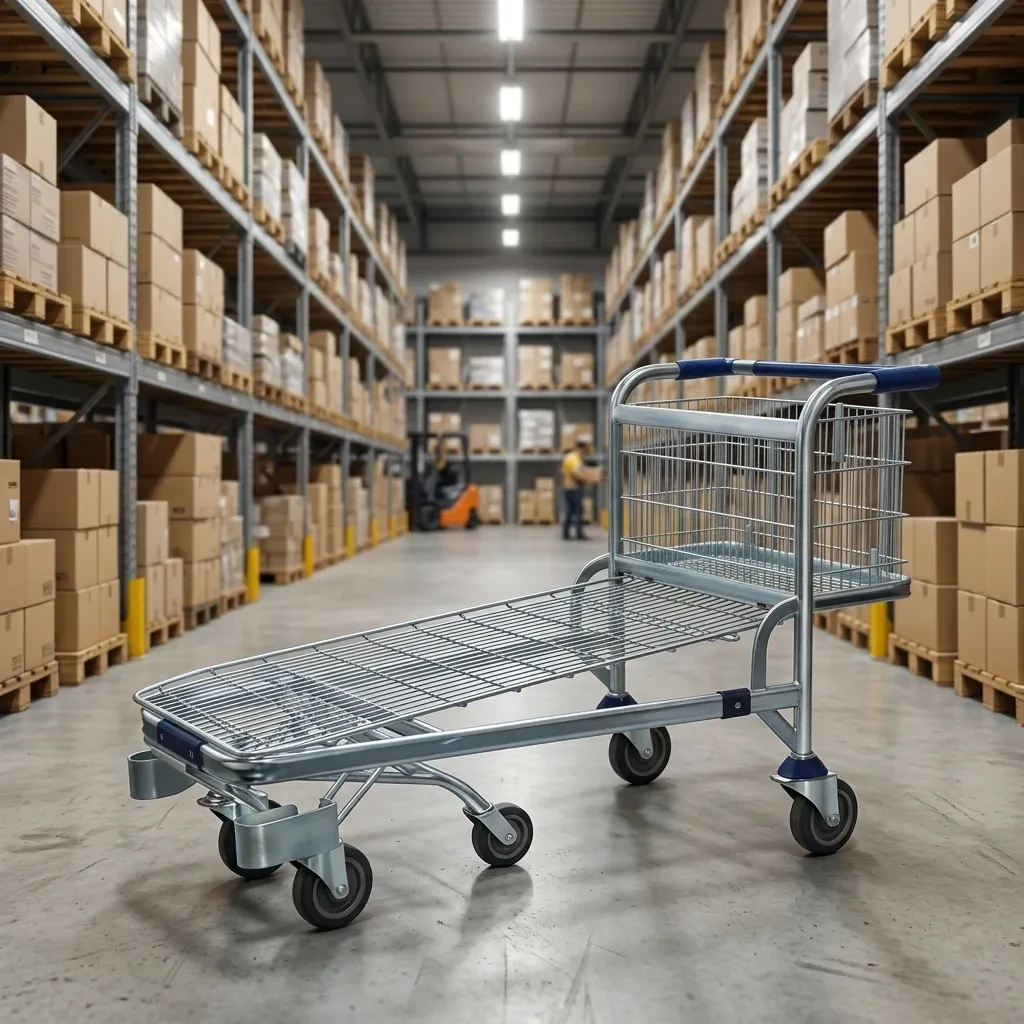
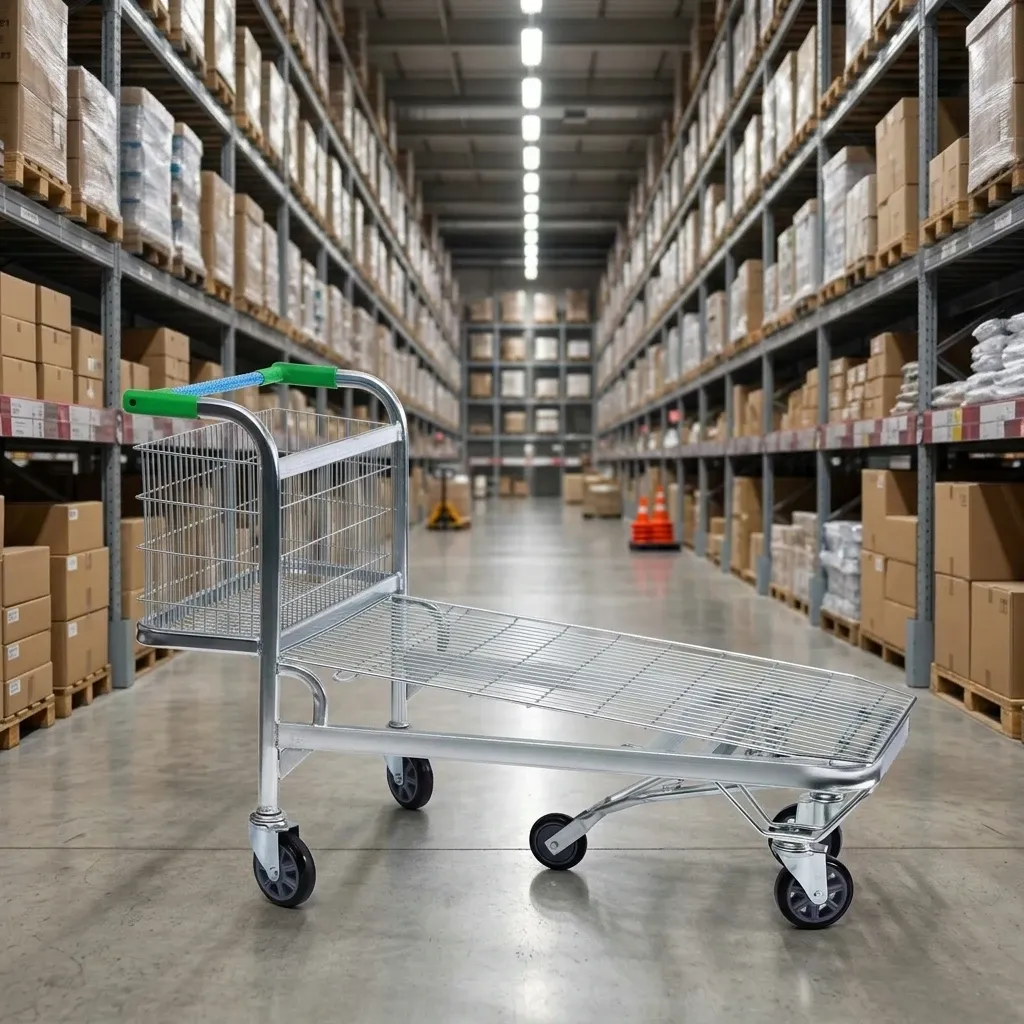
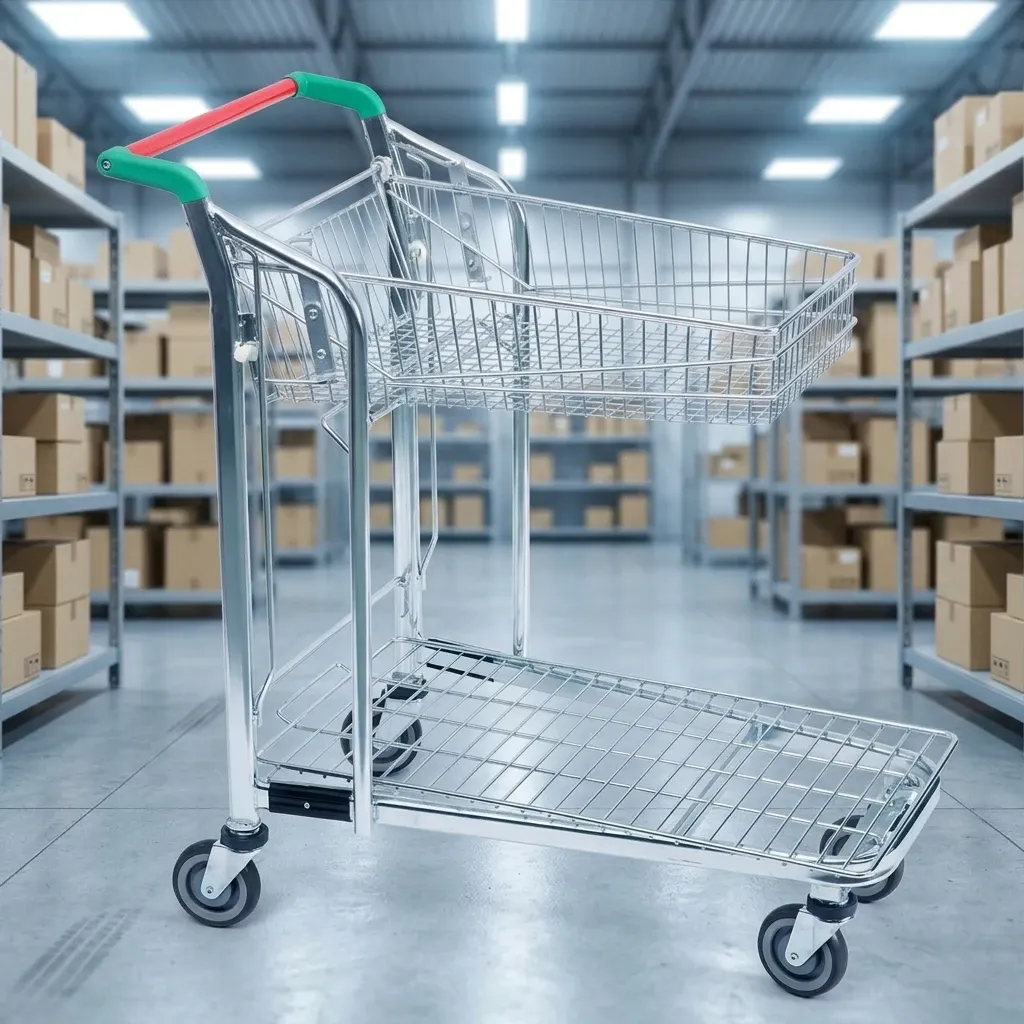
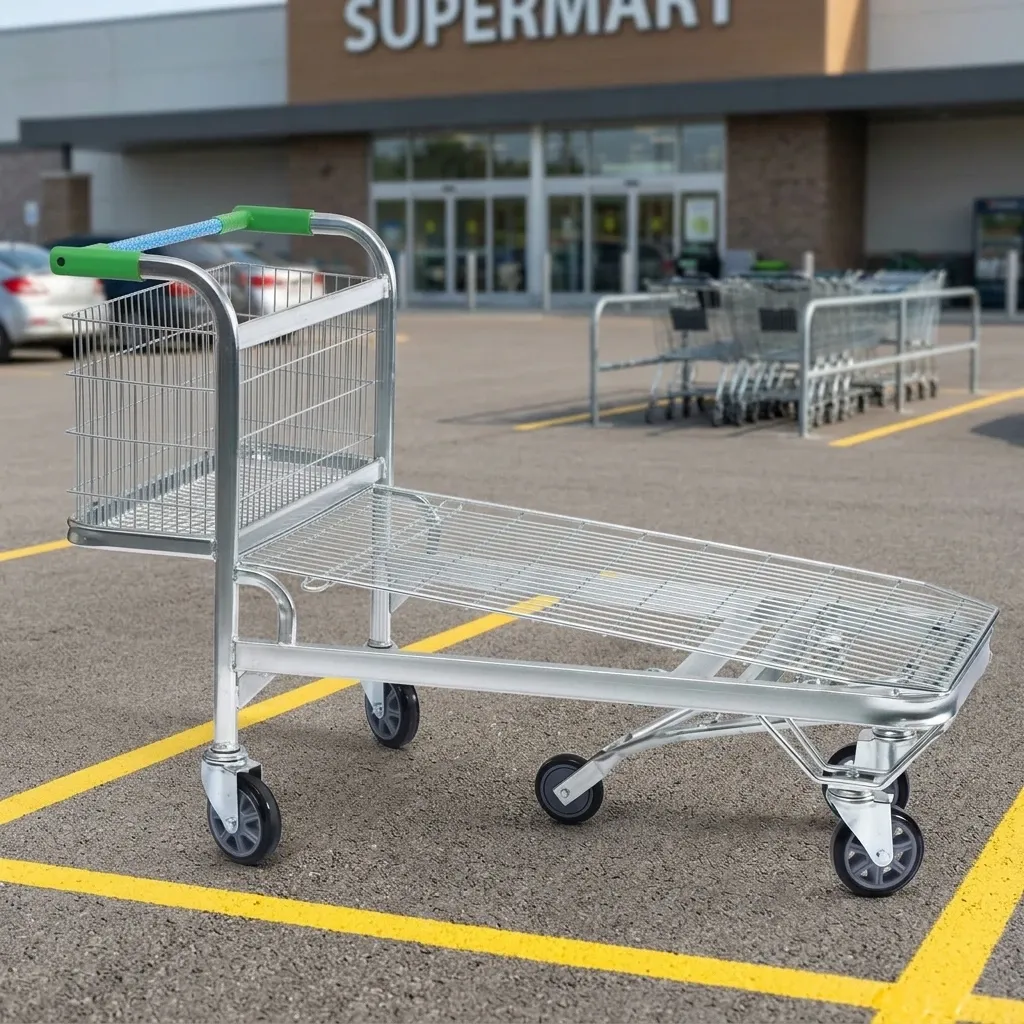
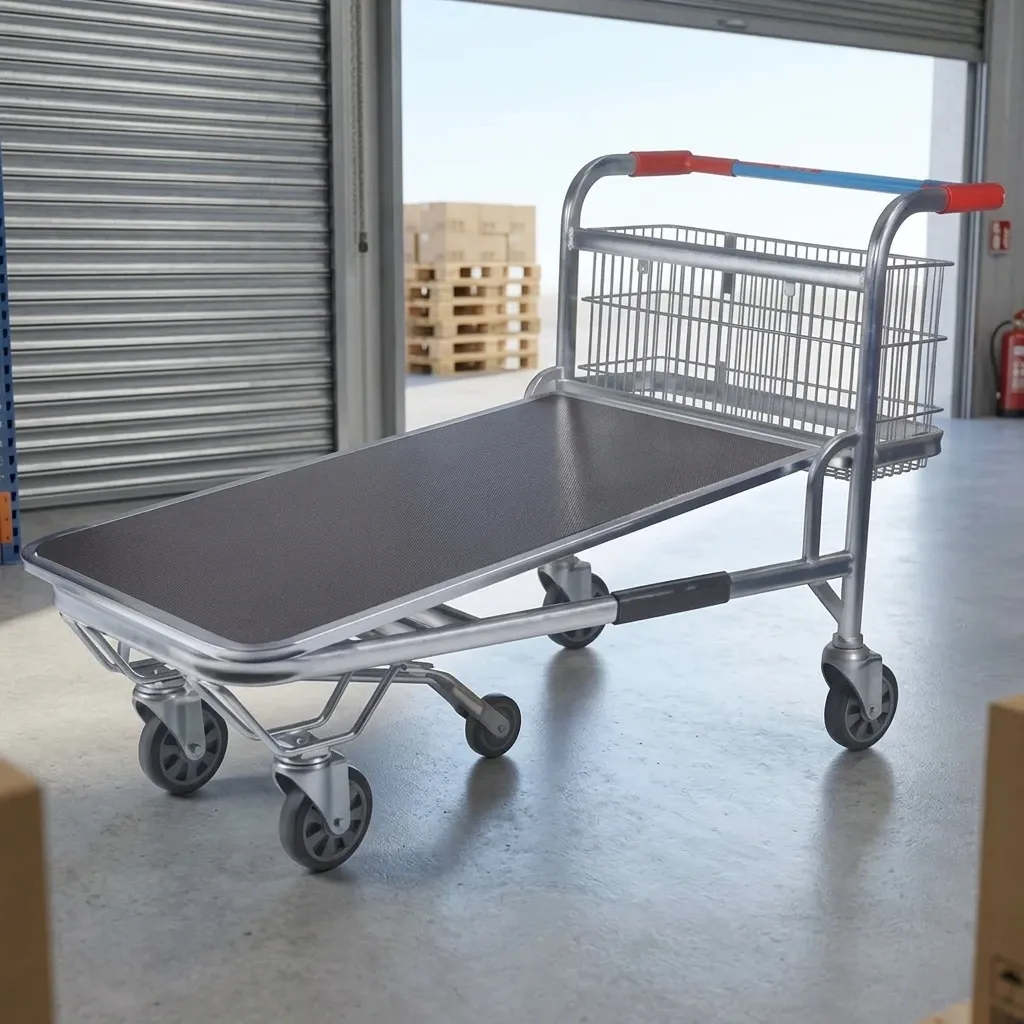
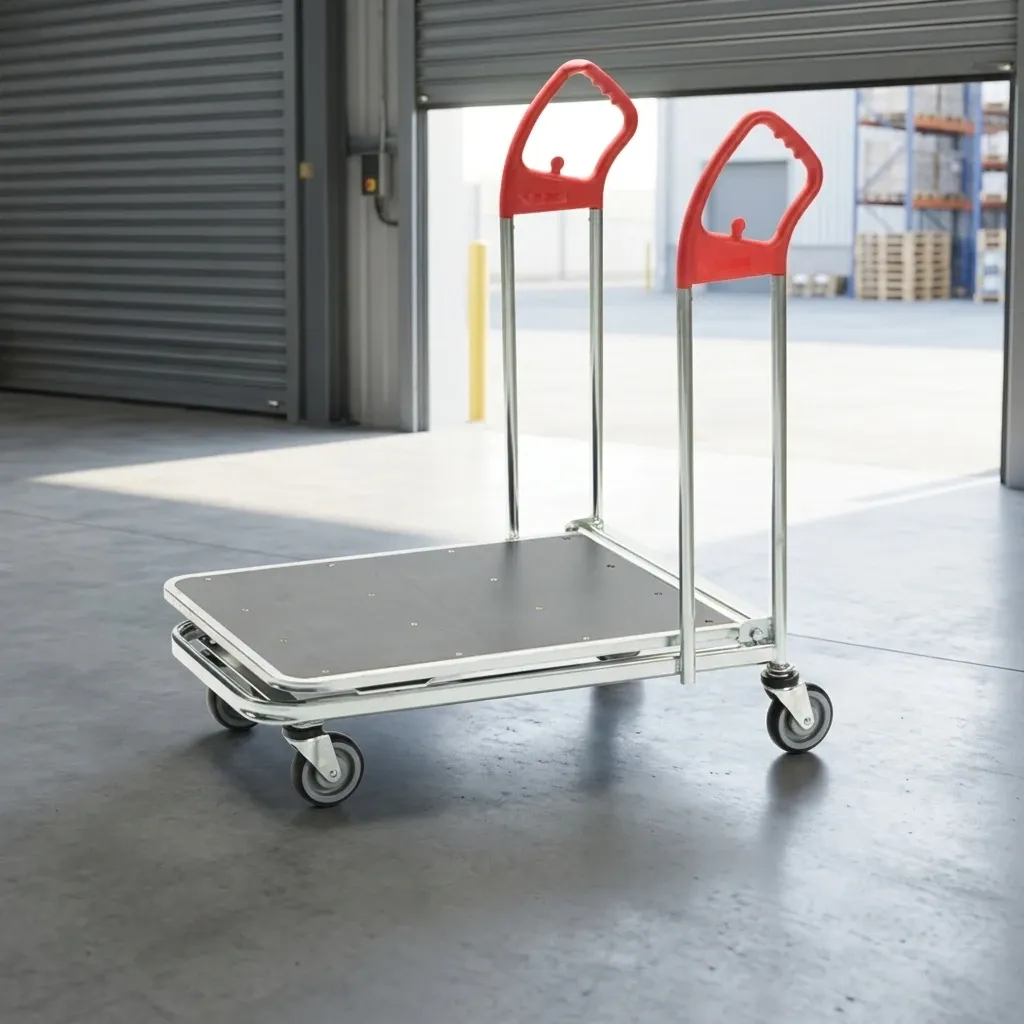
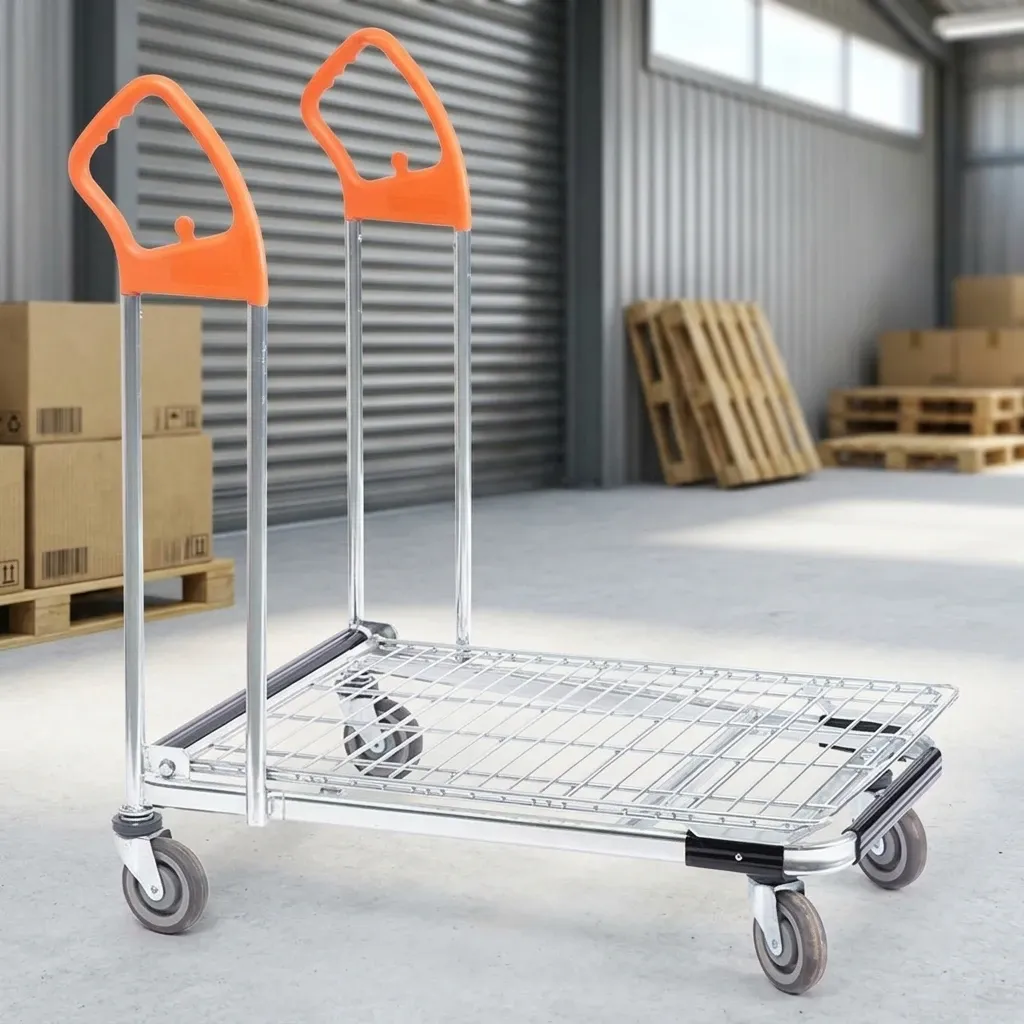
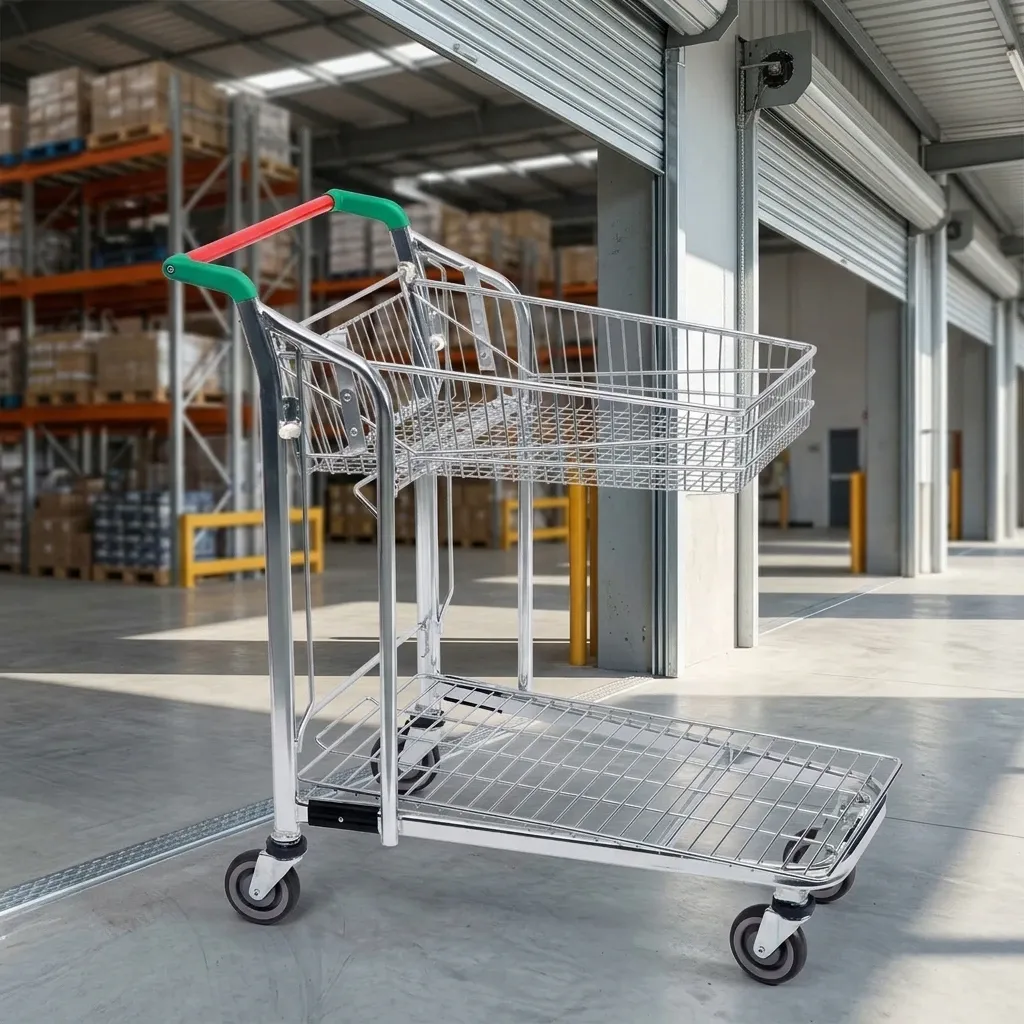
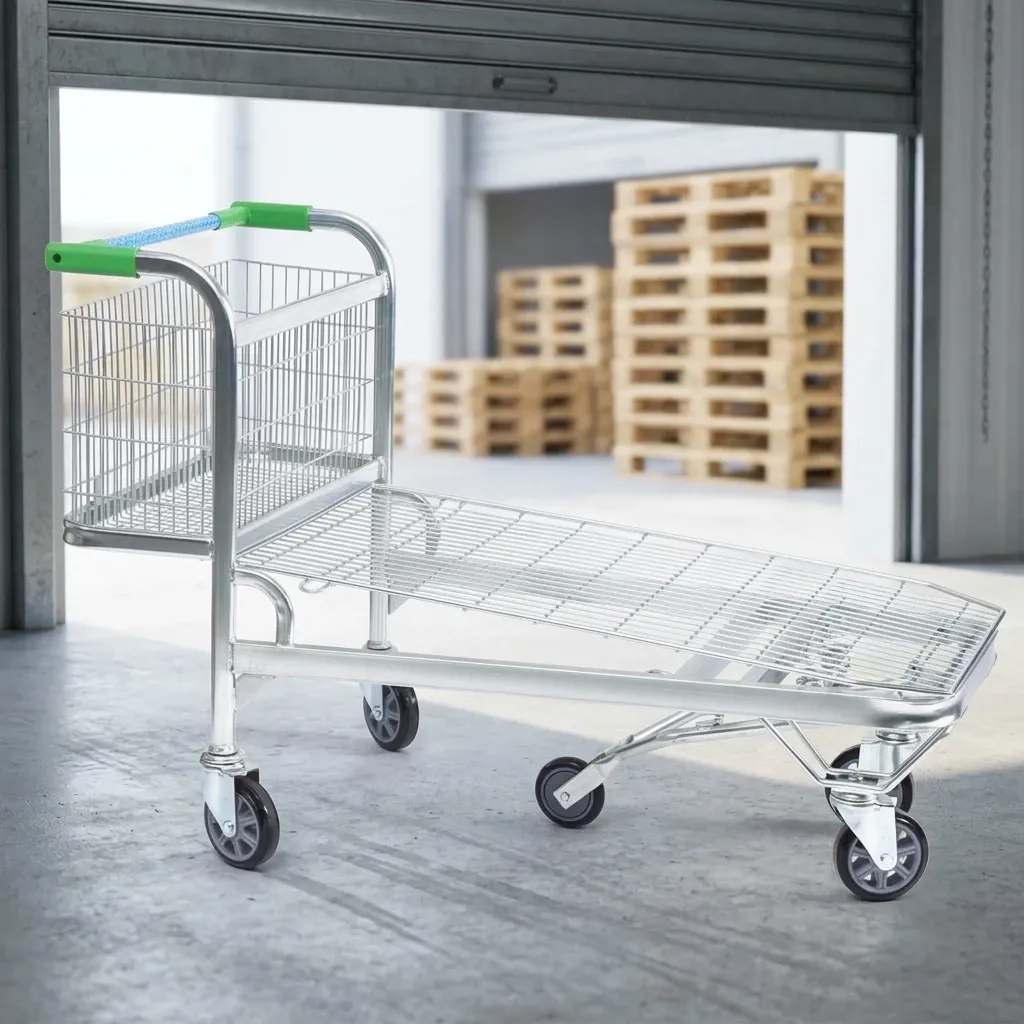
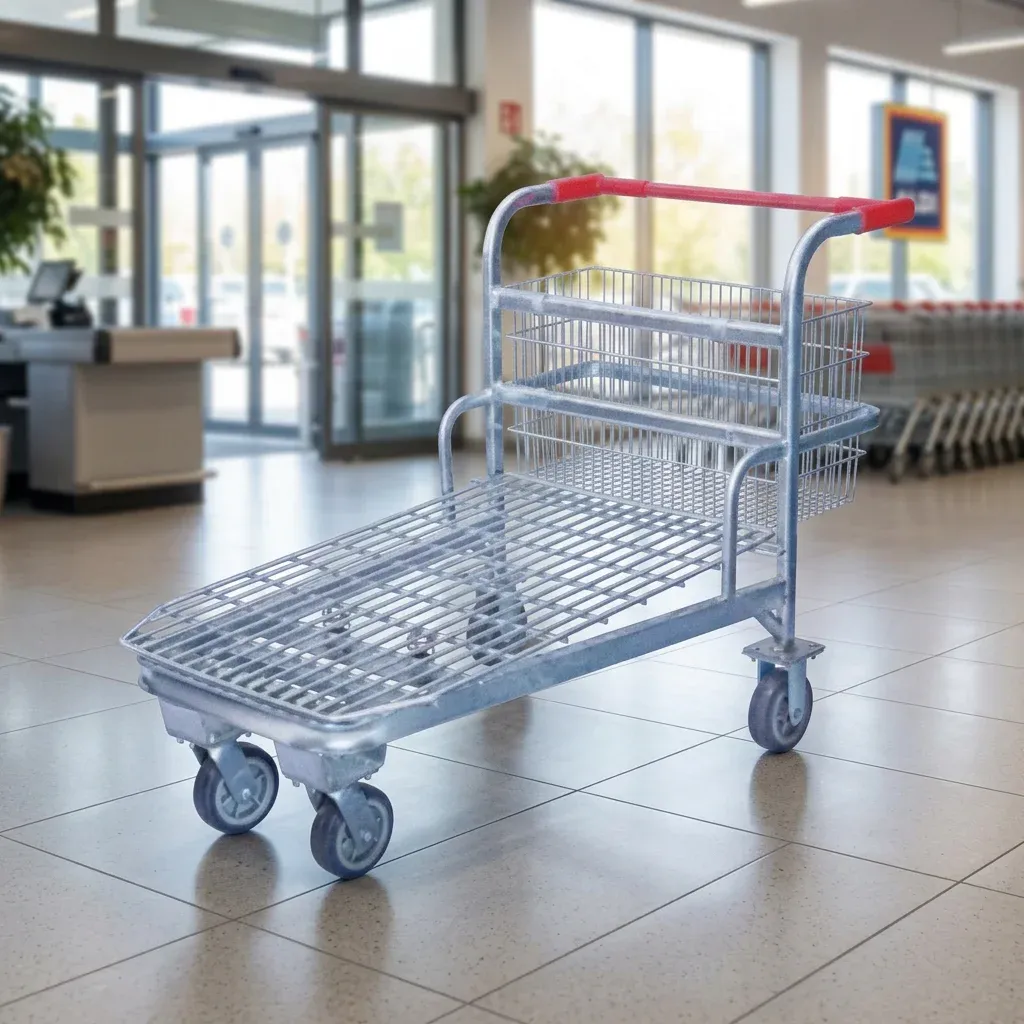
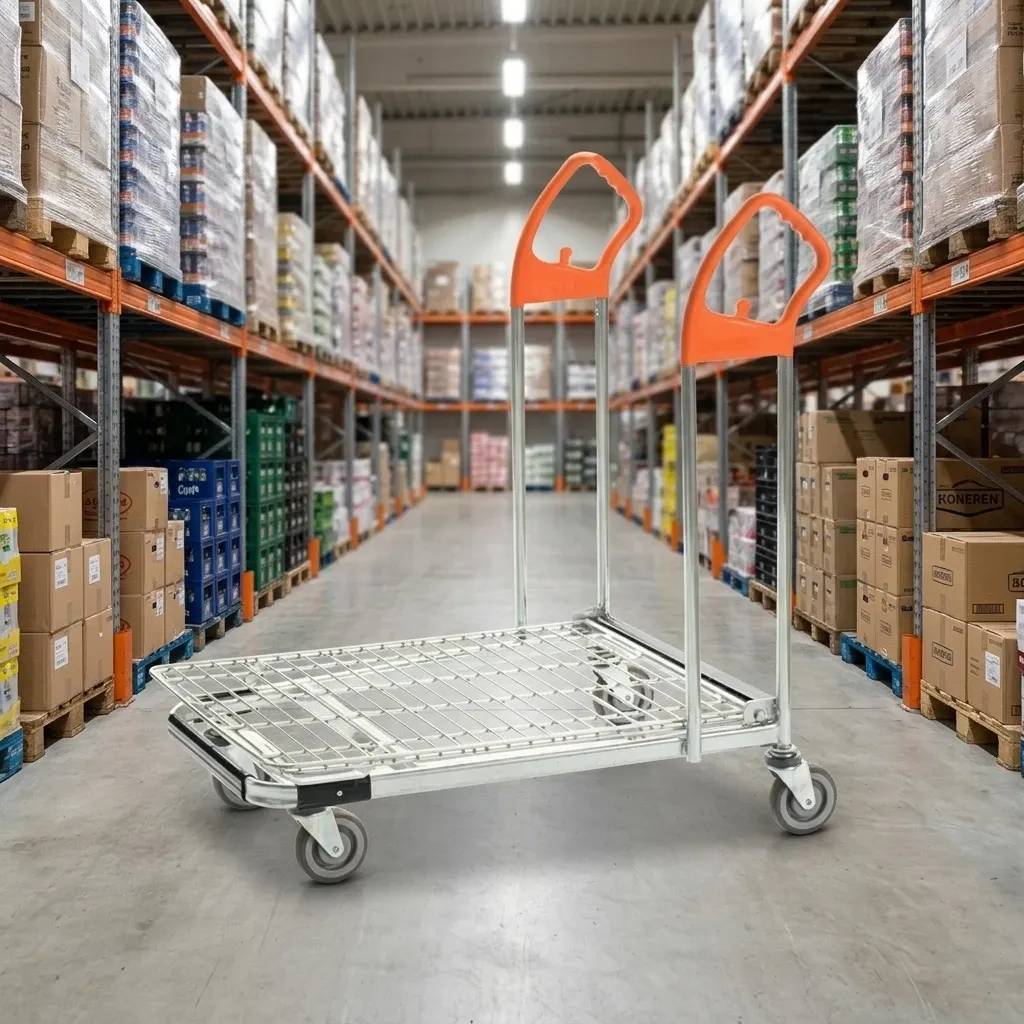
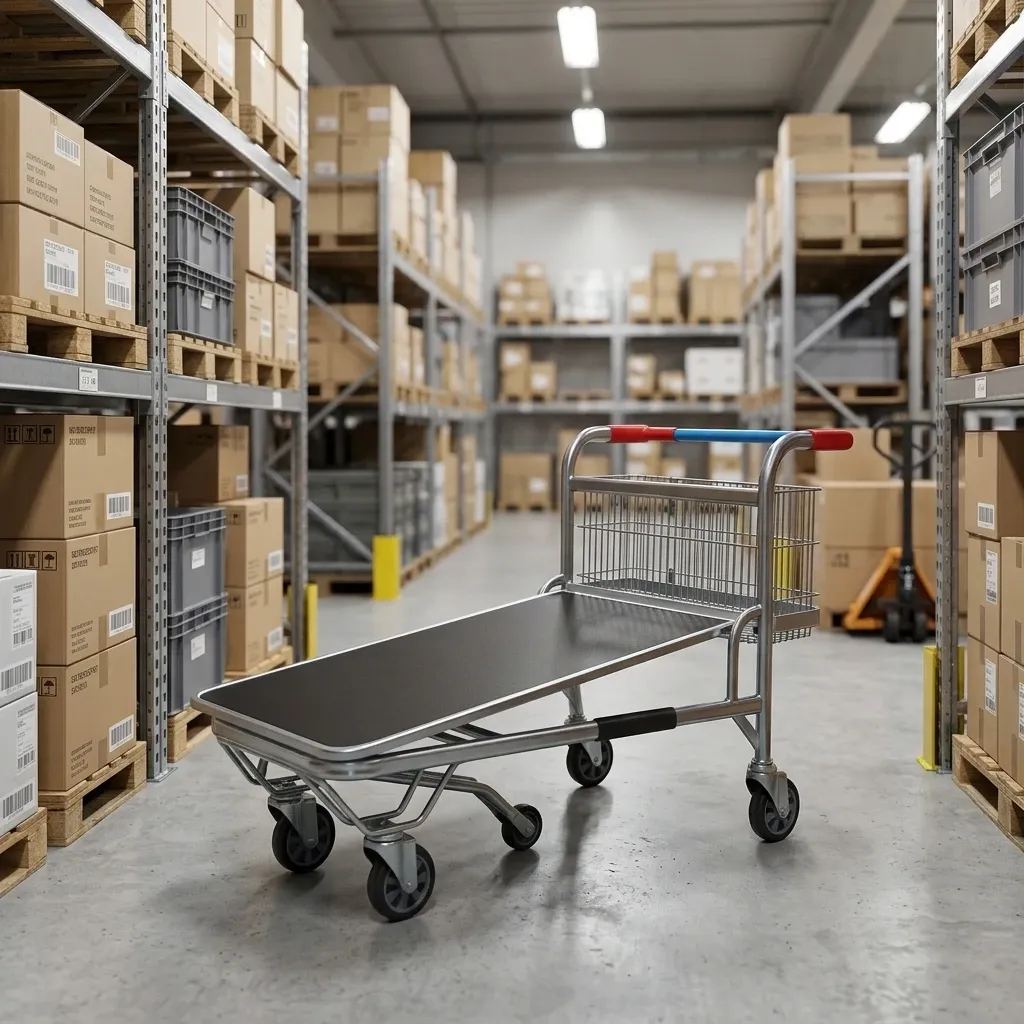
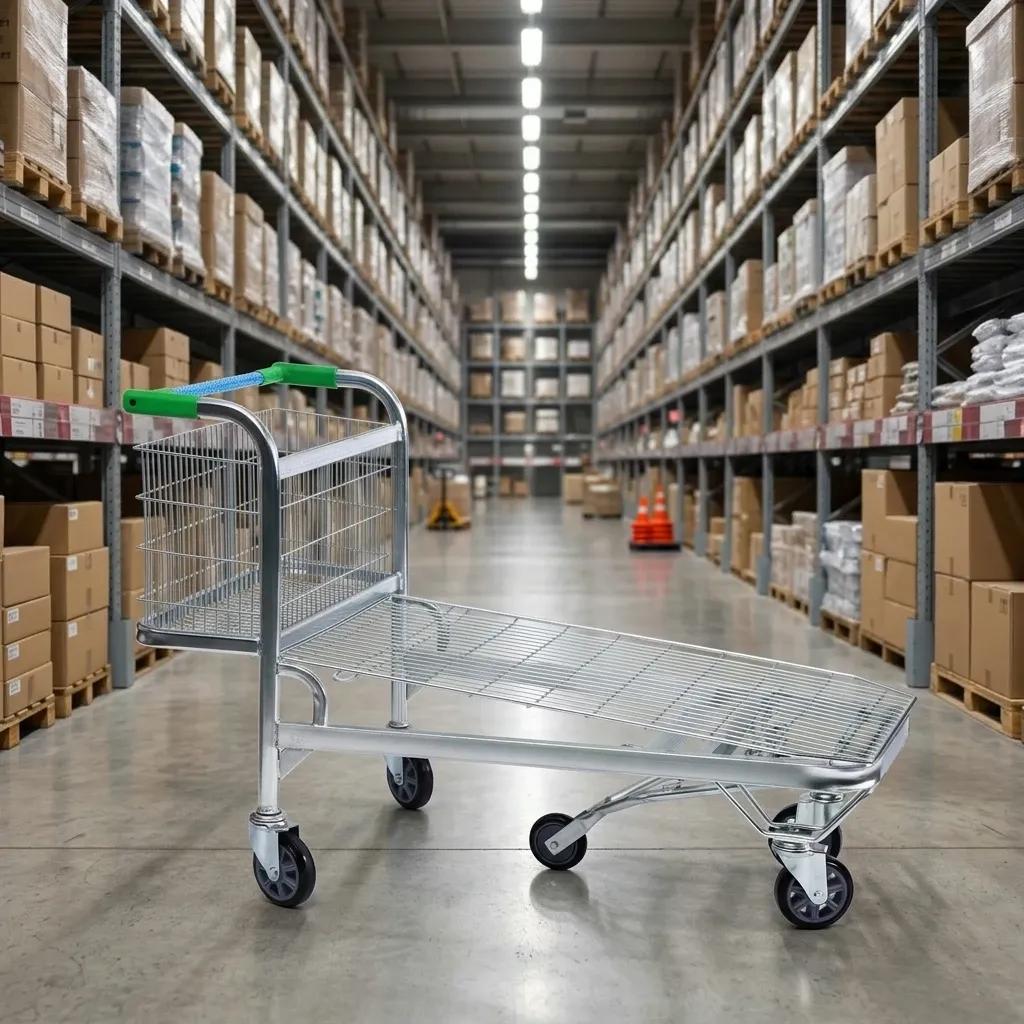
Platform trolleys, also called flatbed or flat trolleys, carry boxes, sacks and stock on a steel or mesh deck with a push handle and four or five castors. Choose a fixed deck for daily heavy use, a folding trolley where space is tight, or mesh sides and shelves to stop loads sliding. Most are rated 200 kg to 500 kg. Every trolley is new, made to order and priced per unit ex VAT, and your written quote confirms the price for your quantity. For order picking carts, see our picking trolleys.
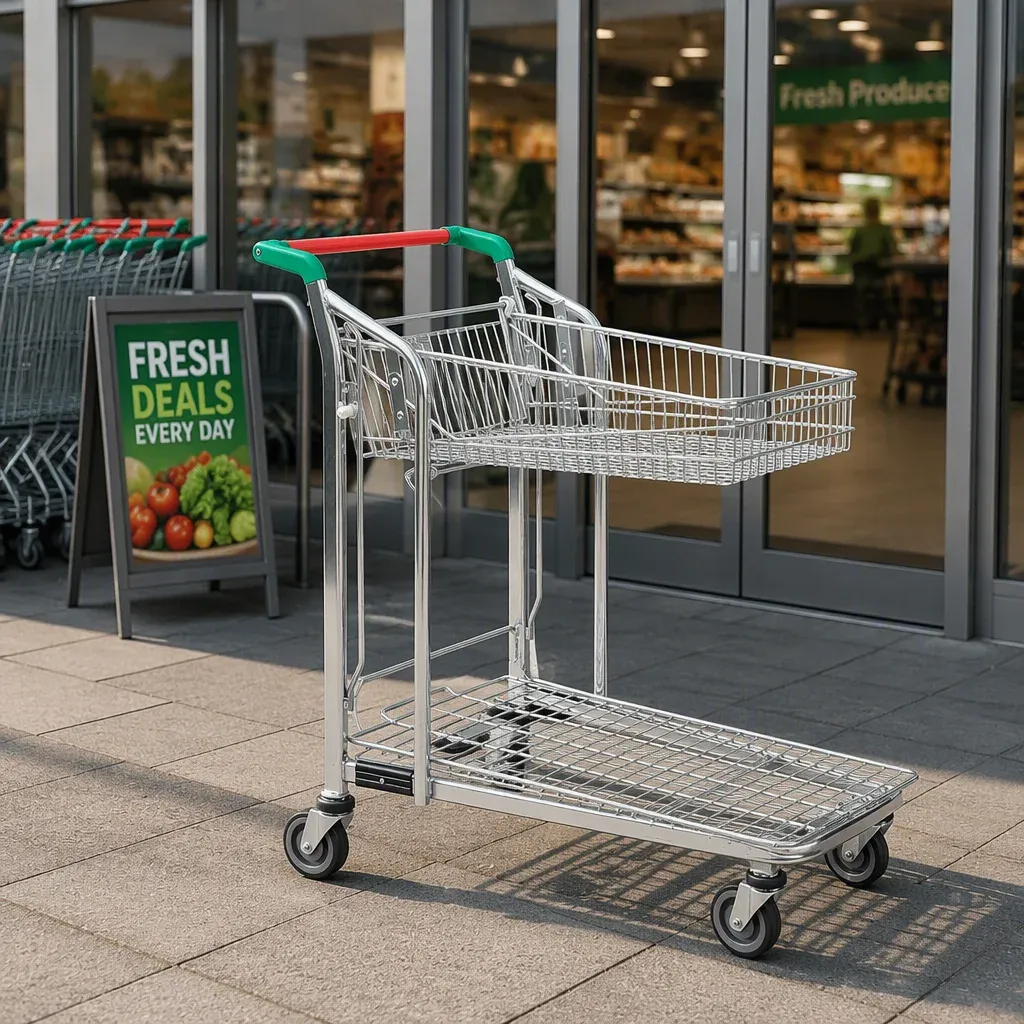
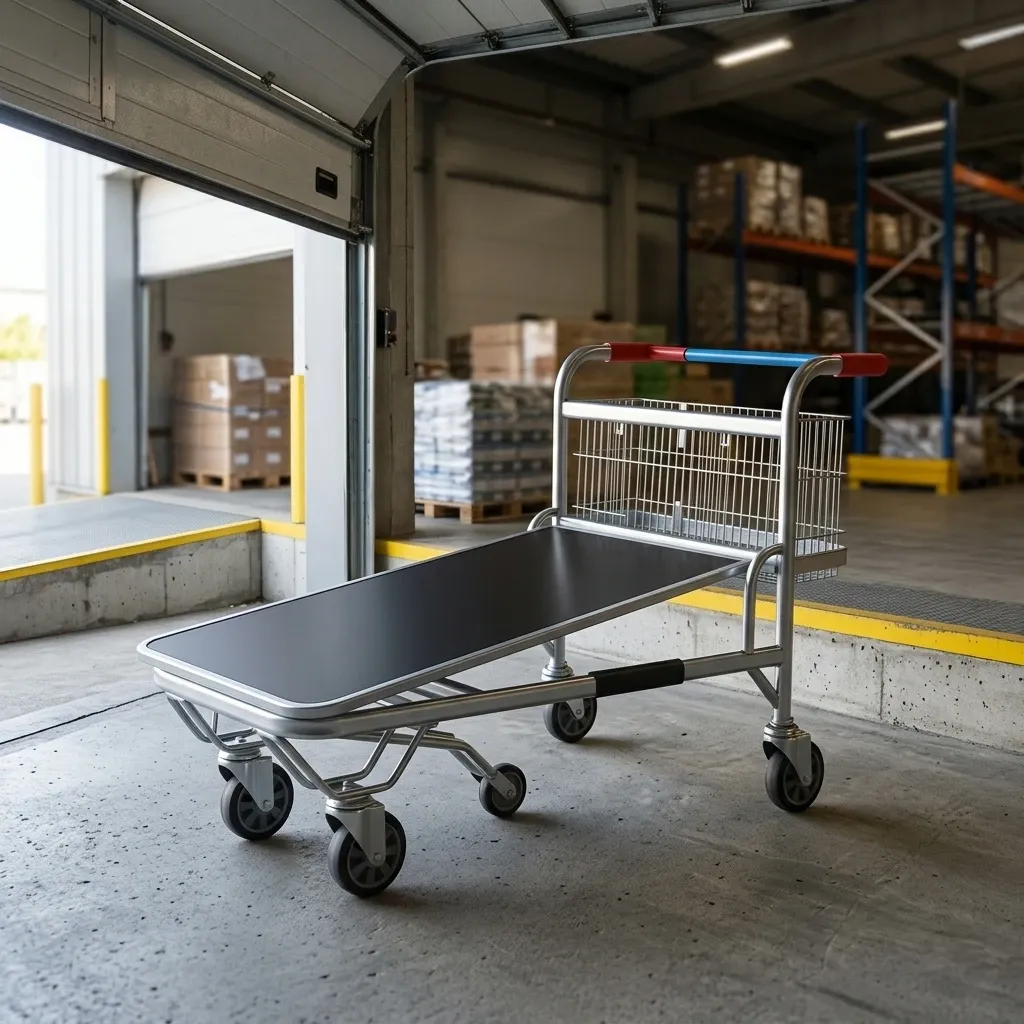
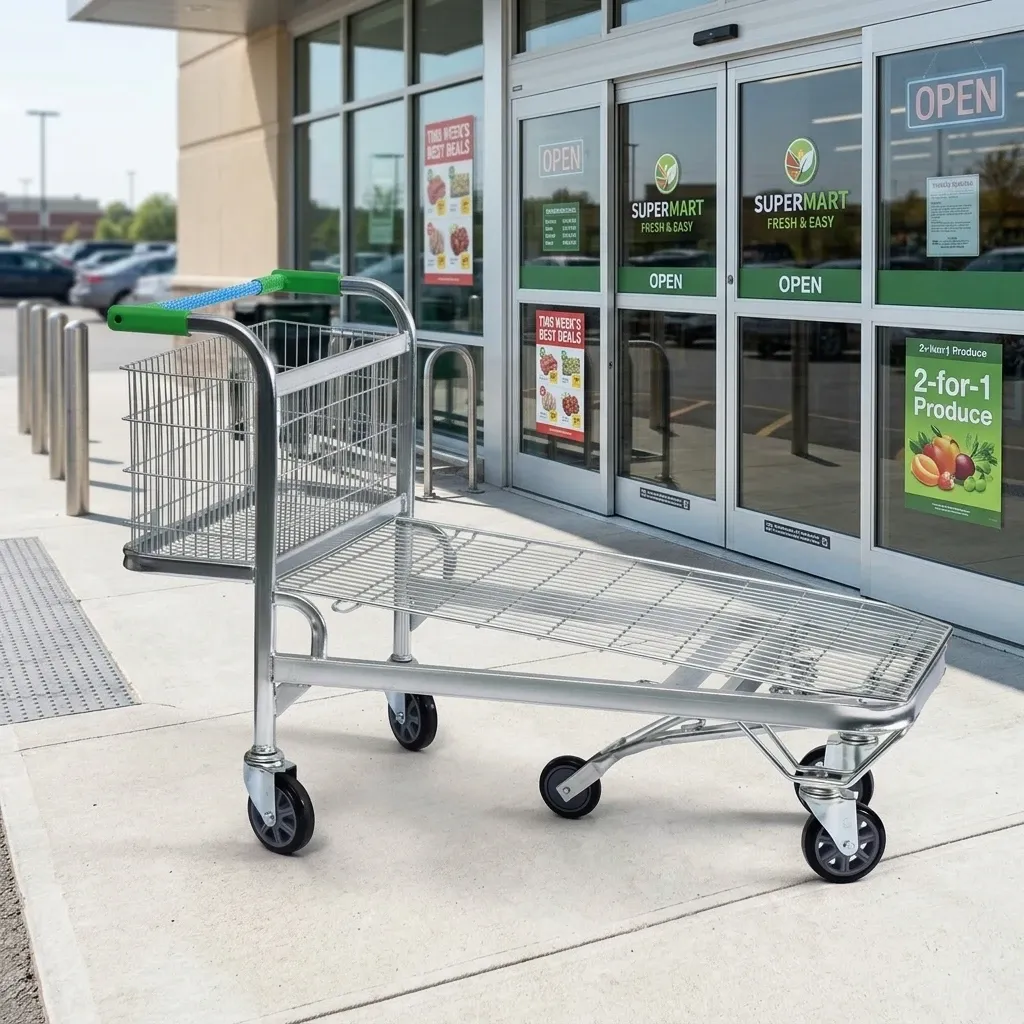
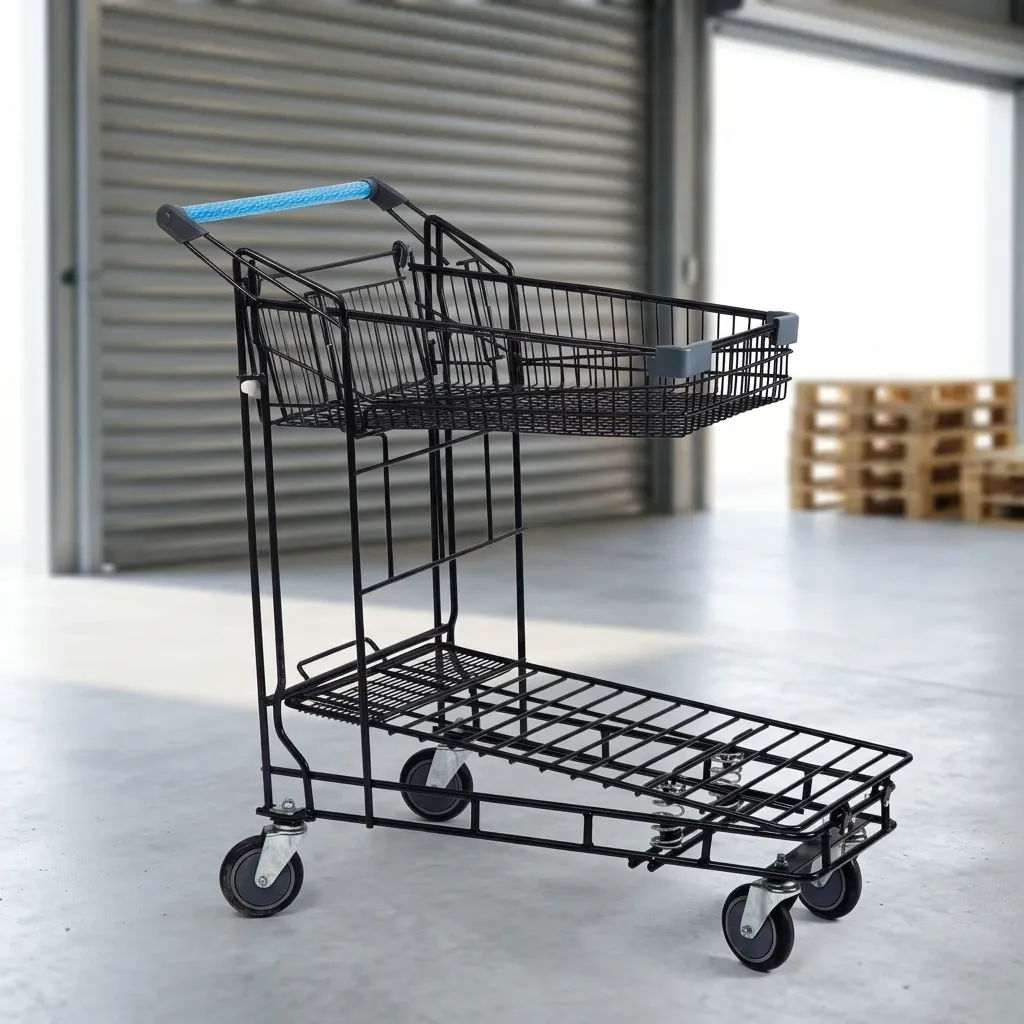
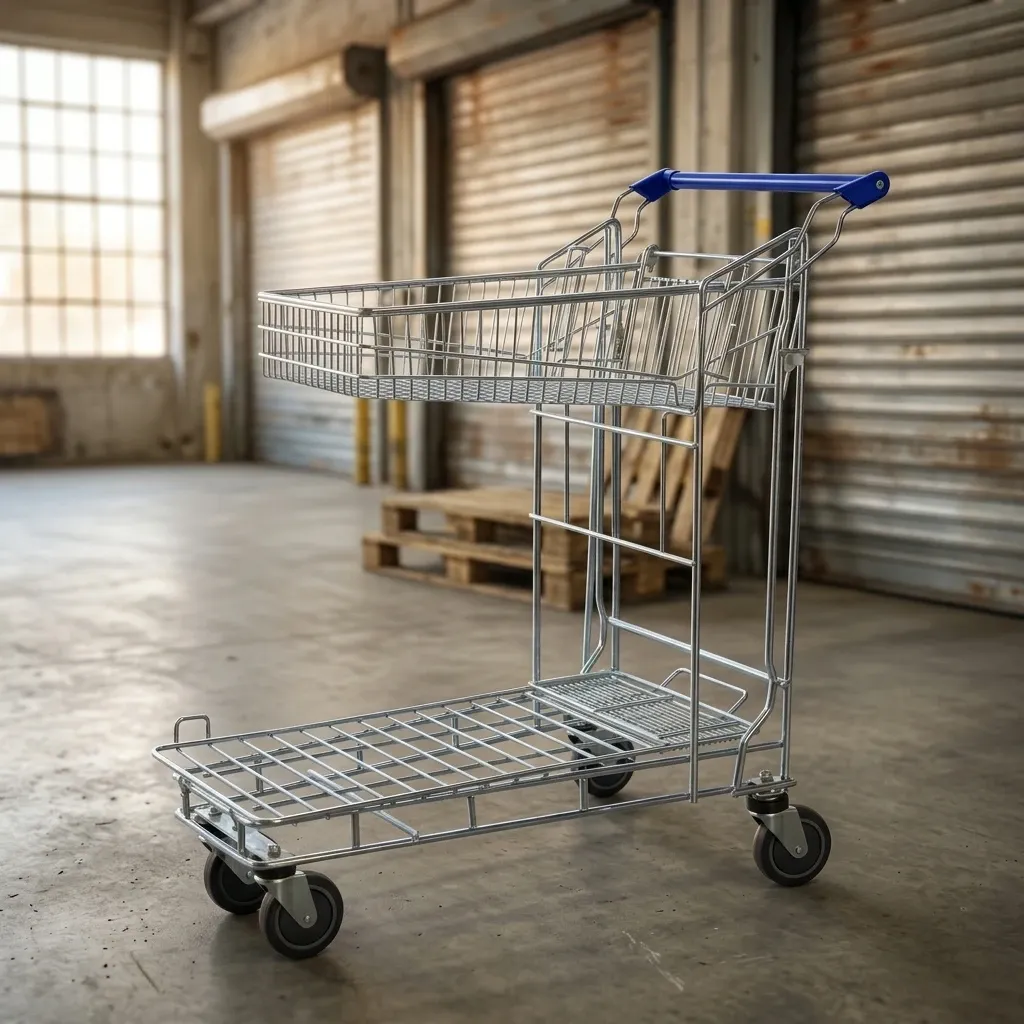
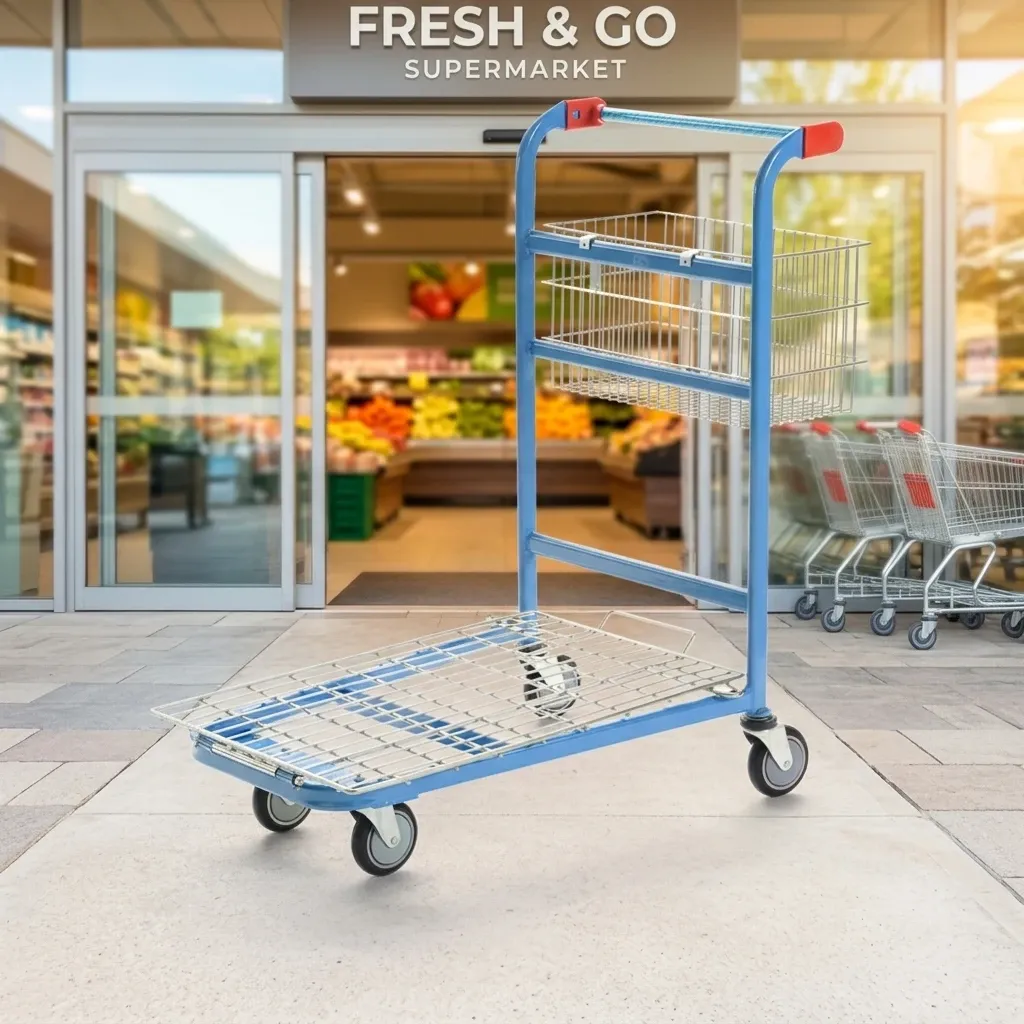
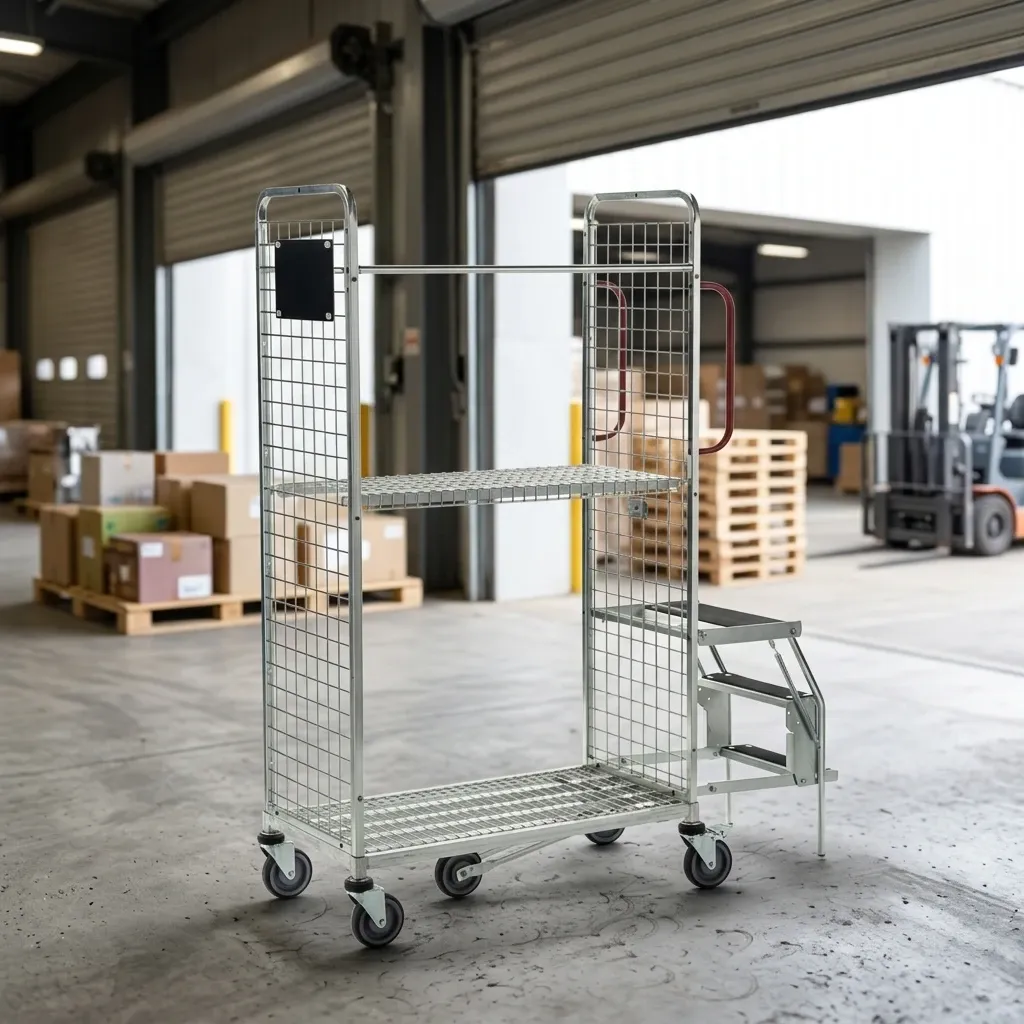
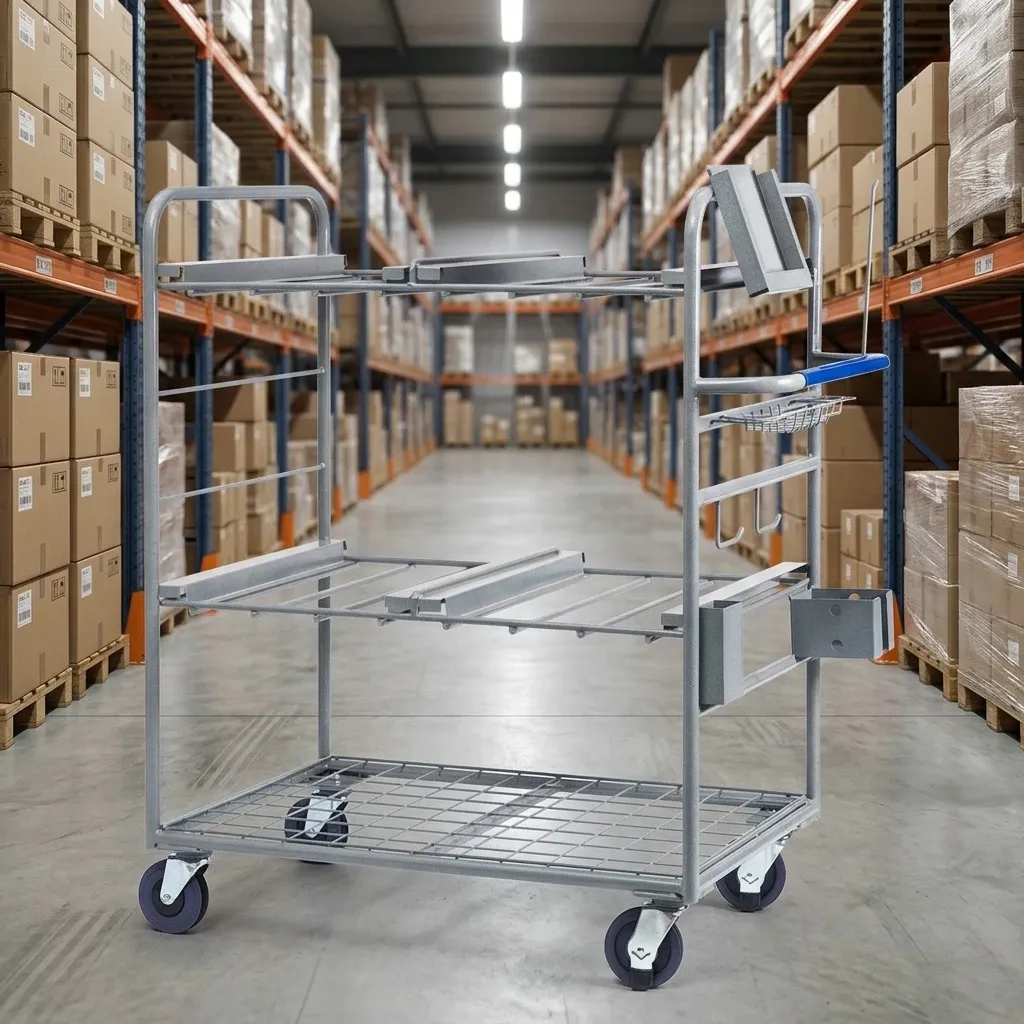
A platform trolley, also called a flatbed or flat trolley, is a flat deck with a push handle and no sides, for boxes, sacks and bulky loads on flat floors. A stock trolley, cash and carry trolley or order picking trolley adds a frame or basket so stacked cases stay put when the trolley turns, and is used for shelf filling and picking orders. If you mainly move loose boxes across a flat floor, a platform trolley is the simpler choice. For picking, see our picking trolleys.
Measure your tightest aisle at floor level, between the lowest shelf edges, then take off a passing margin for a second trolley or a person. That is the widest trolley you can run. Length matters at the end of a bay: a long trolley needs more room to swing round a corner than a short one.
A pivoting centre wheel lets a long trolley rock onto its middle and turn on the spot instead of swinging wide, which saves floor space and knocks to racking in narrow aisles. If your aisles are wide and your trolleys short, four castors are enough.
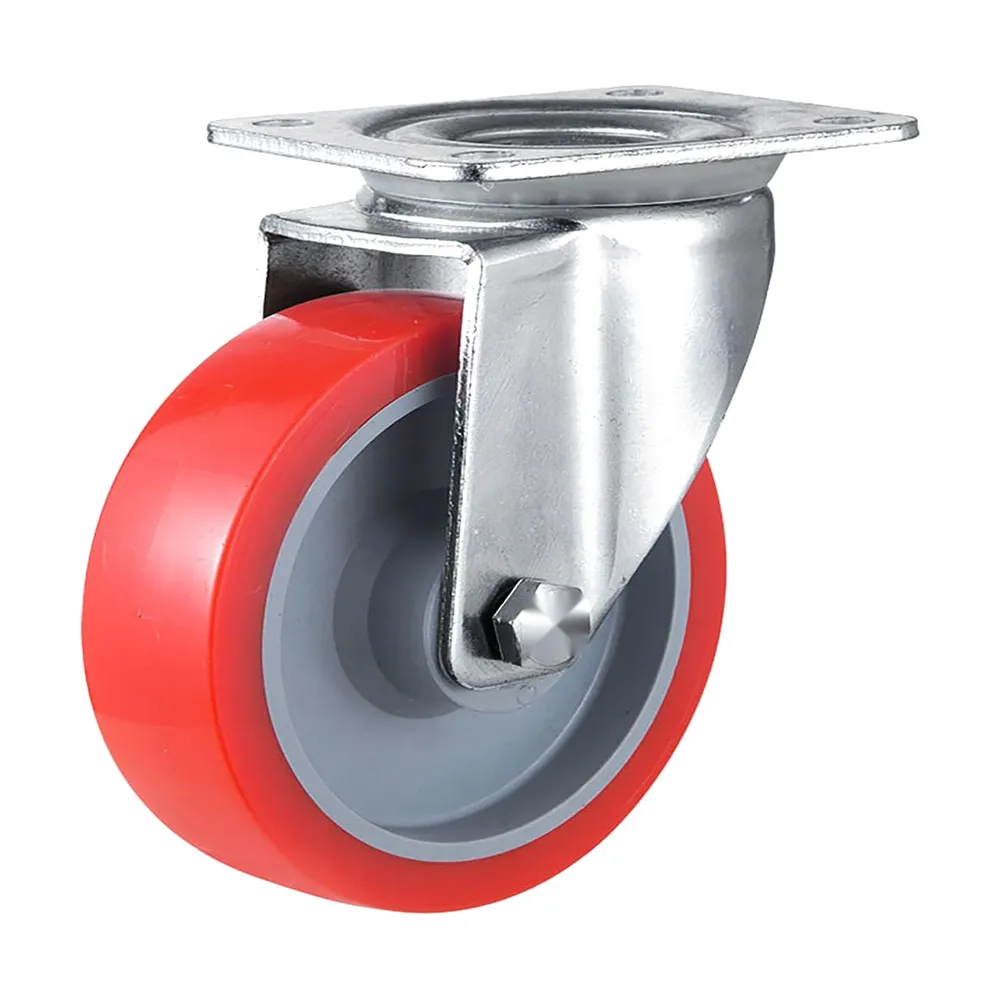
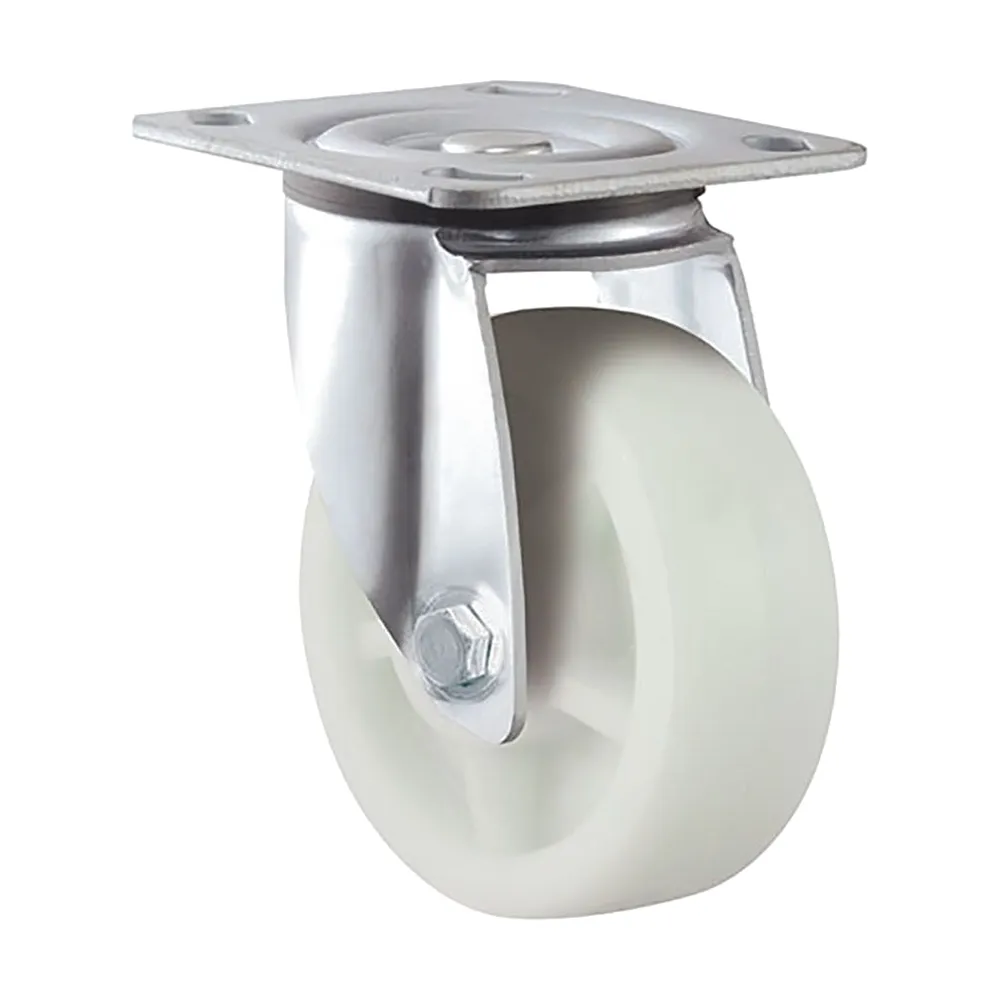
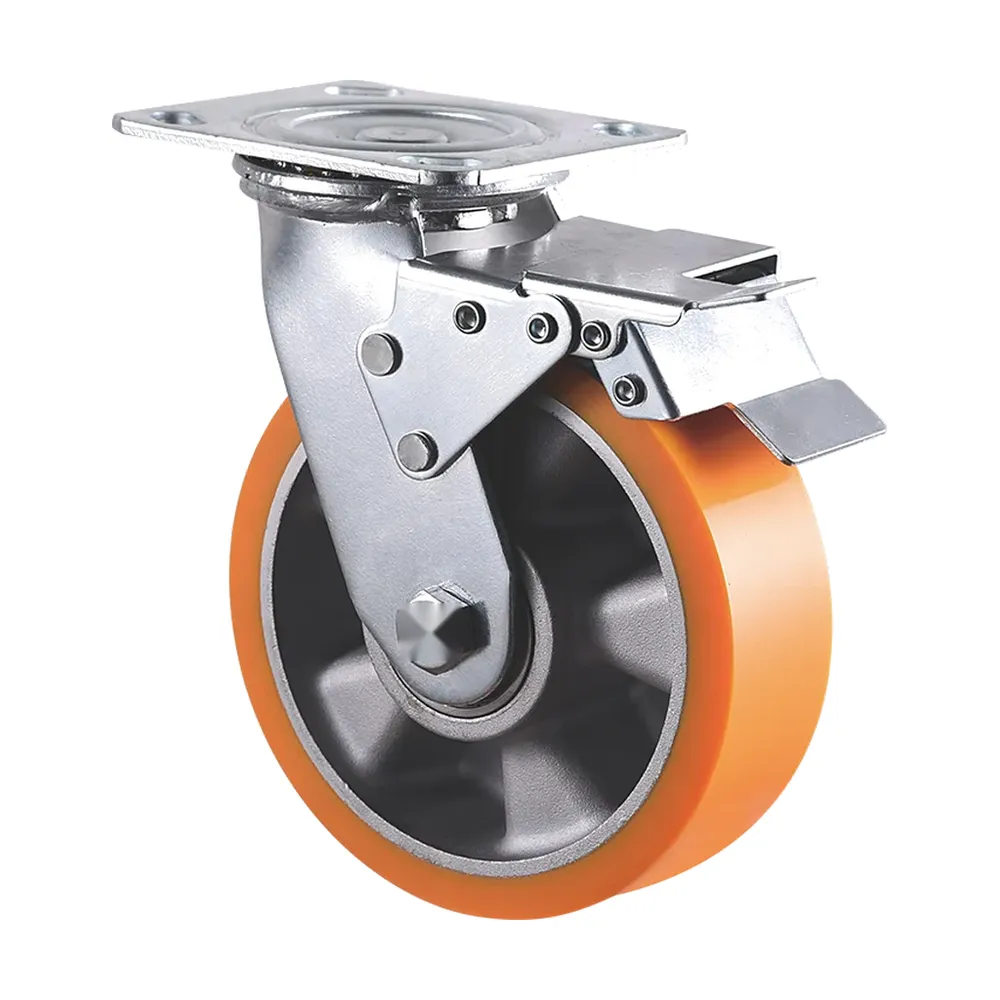
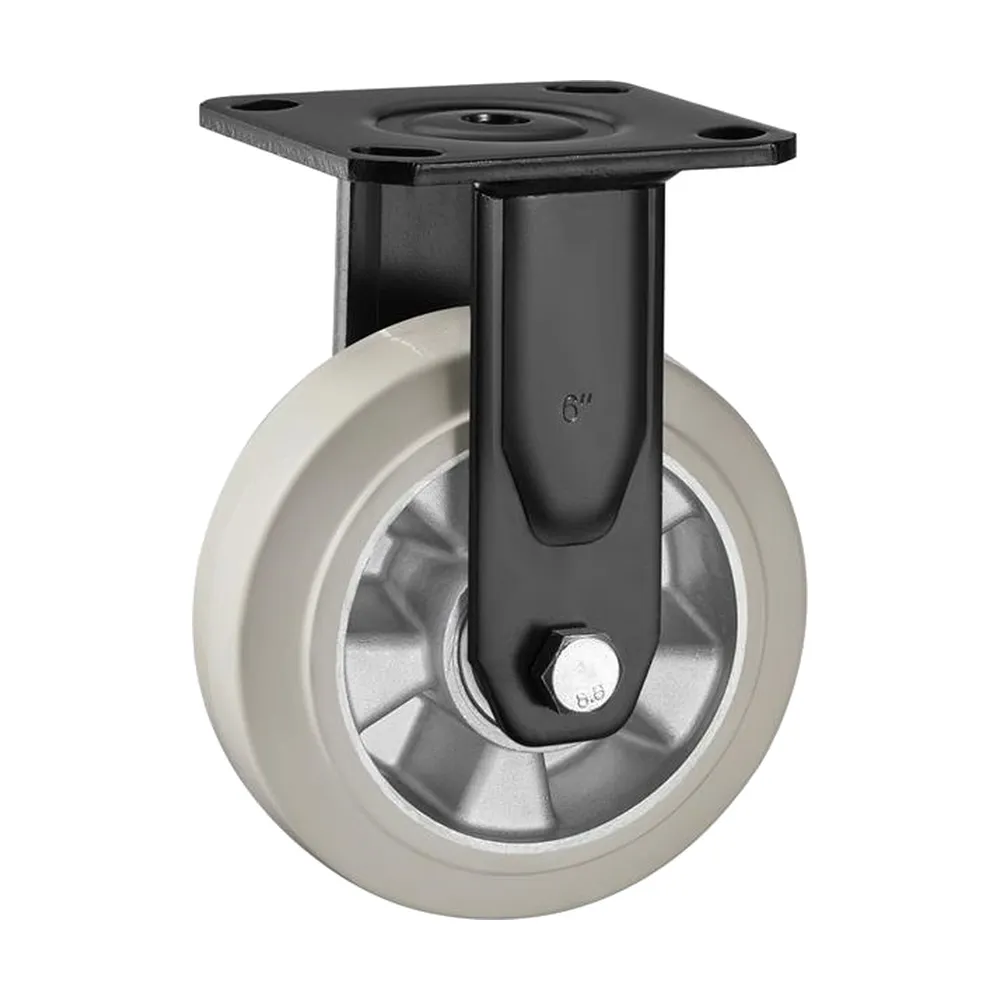
Add up the heaviest single load you move in one go and choose a trolley rated above it. The margin protects the castors on thresholds and ramps, where the load spikes, and overloading is the most common reason castors wear out early. Bigger castors roll over thresholds and rough concrete more easily. Rubber grips rough or wet floors; polyurethane wears more slowly on smooth concrete and polished floors. Two fixed and two swivel castors is the usual layout: the fixed pair tracks straight and the swivel pair steers.
Zinc plating is the rust barrier, a thin layer of zinc bonded to the steel. Powder coating is a coloured, scratch resistant finish baked on top. Some trolleys have both: the zinc stops rust and the powder coat adds colour and protects the zinc from scuffs. Galvanising is a thicker zinc coat for steel that lives outdoors.
200 kg to 300 kg suits shop stock and parcels. 500 kg suits warehouse and cash and carry use.
A fixed deck lasts longer under daily heavy loads. A folding trolley stores flat and fits in a van.
Yes, rated up to 500 kg. For heavier loads see our roll cages and storage cages rated up to 1,000 kg.
Buying guide: Which platform trolley to buy for a cash and carry or warehouse
Also read: What is a cash and carry trolley? Stock trolleys and roll cages explained
Parts that fit this range. Send the model and the part you need if it is not listed, and we quote it with a machine or on its own.
Cookies help us measure visits and our ads. Cookie policy