Comparison · · Range
Loading ramp or fixed dock leveller: which one your loading bay needs
If you load from a raised bay, a fixed hydraulic dock leveller is the cheaper answer, from £790 ex VAT. If you load from a flat yard or into a shipping container, you need a mobile loading ramp, from £2,950 ex VAT for a 10 t unit. Capacity, not price, is the number that decides the specification.
What a loading ramp does, and where a dock leveller does it better
Both machines solve the same problem: the gap and the height difference between your floor and the bed of a vehicle. How they solve it is completely different, and that is what decides which one you buy.
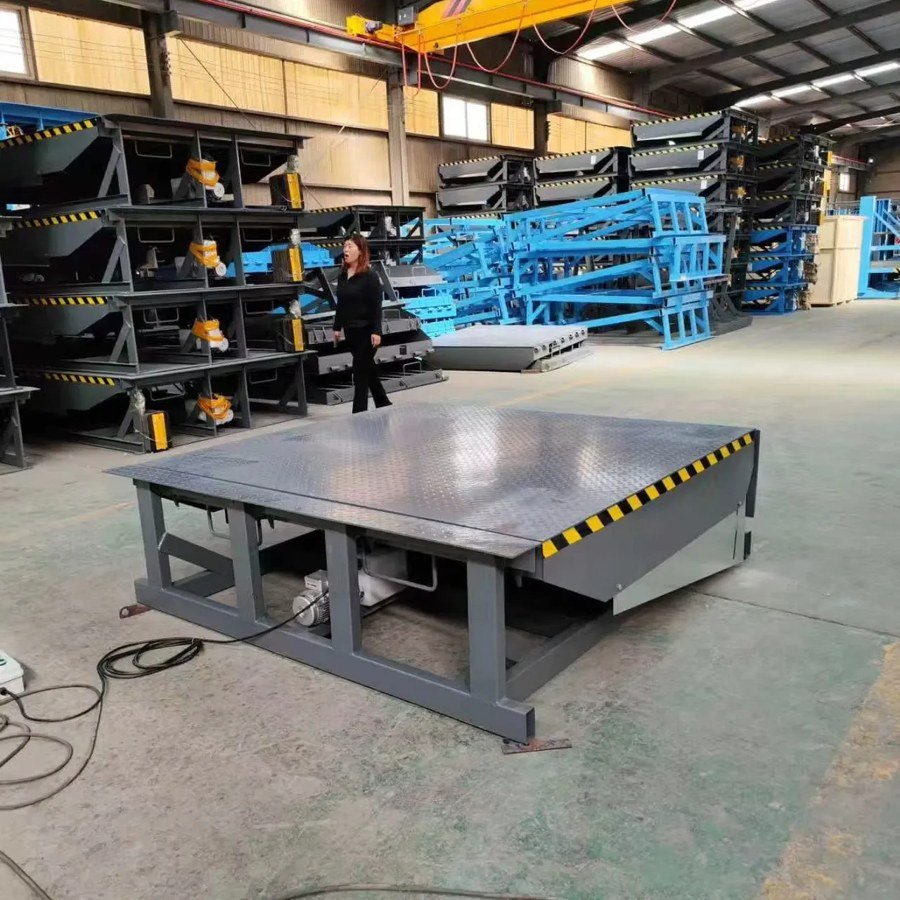
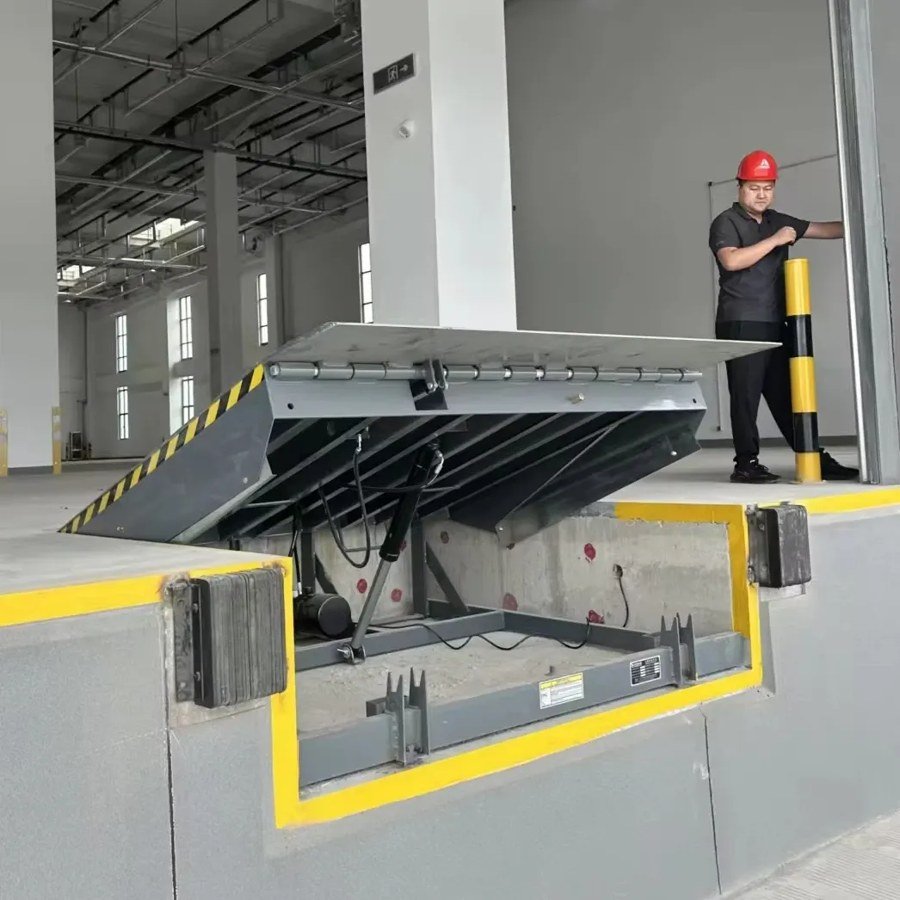
A dock leveller sits at the edge of a raised loading bay. Its platform lifts, the lip extends onto the vehicle bed, and a pallet truck or forklift drives straight across. It only works if you already have a dock built at roughly vehicle bed height.
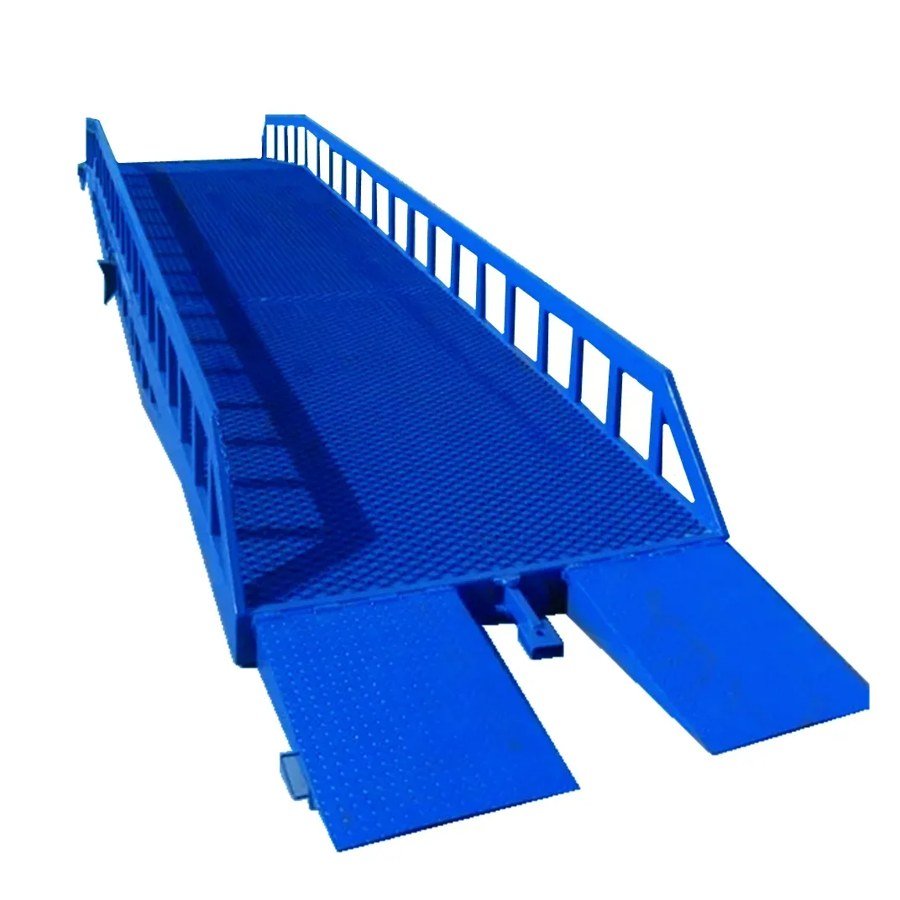
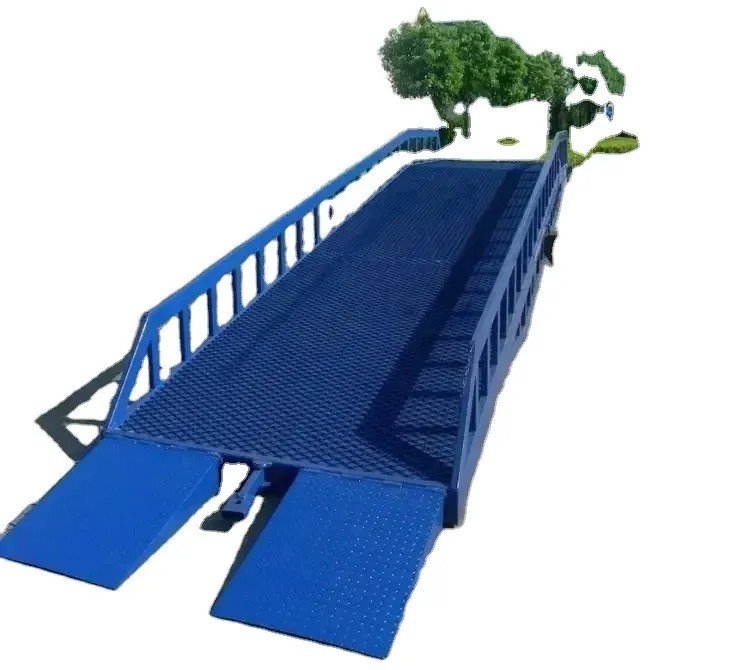
A mobile loading ramp, also called a dock ramp or a yard ramp, is a free standing steel structure on wheels. The forklift climbs it from ground level to the vehicle. No dock, no groundworks, no fixed position. That is why sites loading from a flat yard, and anyone doing container loading, end up on a ramp rather than a leveller. You can see the full loading ramp and dock leveller range for the current options.
Loading ramp against dock leveller: the comparison
| Option | Rated capacity | Where it works | Guide price |
|---|---|---|---|
| Fixed hydraulic dock leveller | 6 to 10 t | Existing raised bay, 600mm of lift | from £790 ex VAT |
| Heavy duty fixed dock leveller | 6 to 15 t | Busy multi shift docks, larger vehicles | from £3,420 ex VAT |
| Mobile dock ramp | 10 t | Flat yard, container and curtainsider loading | from £2,950 ex VAT |
| Mobile hydraulic loading ramp | 10 to 15 t | Flat yard, mixed vehicle heights, heavier trucks | from £3,580 ex VAT |
The entry point is the fixed hydraulic dock leveller from £790 ex VAT, rated 6 to 10 t with 600mm of lift. That lift figure matters more than the headline price: it is the amount of height difference the platform can take up, above and below dock level, as the vehicle suspension settles during loading.
Mobile units cost more because you are buying the whole structure, not just the bridging plate. A 10 t movable dock ramp from £2,950 ex VAT replaces a dock you never built. Step up to a 10 to 15 t mobile hydraulic loading ramp from £3,580 ex VAT where vehicle bed heights vary or the forklift is a larger counterbalance machine.
What capacity do you actually need?
This is where most specifications go wrong. Buyers rate the ramp for the pallet, when the ramp has to carry the truck as well.
Add up three things: the unladen weight of the forklift from its data plate, the heaviest load it will carry, and the operator. A counterbalance forklift often weighs close to twice what it is rated to lift, because of the counterweight at the back. A machine rated at 2.5 t can therefore put 7 t or more on the deck once it is loaded, which is why 6 t is the sensible floor and 10 t the common choice.
If you run several trucks, rate for the heaviest one. If you are still choosing the truck, look at the forklift range first and specify the ramp around it, not the other way round.
One more figure to check: the crossing width. A ramp narrower than your forklift track plus a safe margin each side is unusable whatever it is rated at.
Container loading: why a ramp is usually the only option
A shipping container sits on the ground or on a trailer bed, and there is rarely a dock built to suit it. Container floors are also lower than a standard lorry bed when the box is grounded, so a fixed leveller designed around one bed height will not reach.
A mobile ramp handles it because you set the working height to the job and reposition it when the next vehicle is different. Points to raise on your enquiry:
- The height range you need to cover, measured from your yard surface to the container or trailer floor at both extremes.
- Whether the ramp will be towed by a forklift between positions, which affects the towing eye and wheel specification.
- Side kerbs and a level off platform at the top, so a pallet truck can be turned safely inside the box.
- Yard surface. Tarmac in summer heat behaves differently under point loads than concrete does.
What to check before you buy a loading ramp
Run through this list before you sign anything off:
- Vehicle bed heights. Measure the highest and lowest vehicle you load, loaded and empty. The lift range must cover both.
- Pit or edge mounting. A fixed leveller needs either a formed pit or a mounting arrangement at the bay edge. Get the pit dimensions confirmed in writing before any groundworks start.
- Power supply. Hydraulic units need a supply at the bay. Confirm voltage and phase at quote stage rather than on the day of installation.
- Lip length. The lip has to land far enough onto the vehicle bed to stay put under a loaded forklift.
- Safety features. Maintenance prop, toe guards, wheel chocks, and a vehicle restraint or a documented driver procedure so the lorry cannot pull away.
- Finish. Galvanised or painted steel, and an anti slip deck surface that still works when wet.
- Commissioning and handover. Ask who tests it, who signs it off, and what is handed over on the day.
Price, freight, VAT, minimum order and lead time are all confirmed on your written quote, which stands for 30 days. Send the measurements with your enquiry through the contact page and the specification comes back against your bay, not a generic one.
Safety and the rules that apply
A dock leveller or ramp is work equipment under the Provision and Use of Work Equipment Regulations 1998. In practice that means it must be suitable for the job, installed correctly, kept in good order, and used only by people who have been instructed on it.
Build the inspection into your existing routine rather than treating it as a one off. Walk the deck and the hinges for cracks, check the hydraulic hoses for weeping, and test the safety prop. Anything found should be logged and fixed before the bay goes back into use.
Forklift drivers using a ramp need to know the crossing rules for your site: one machine on the deck at a time, no turning on the slope, and the vehicle secured before anyone drives on. Operator training for the truck itself is covered by the HSE approved code of practice L117.
Loading ramps and dock levellers discussed in this article
Questions people ask
What is the difference between a loading ramp and a dock leveller?
A dock leveller bridges from an existing raised bay onto the vehicle bed. A loading ramp is a free standing structure that lets a forklift climb from ground level to the vehicle, so it works on sites with no dock.
How much does a dock leveller cost?
Fixed hydraulic dock levellers rated 6 to 10 t are quoted from £790 ex VAT. Heavy duty fixed units rated 6 to 15 t start from £3,420 ex VAT. Your written quote confirms the final price, freight and VAT.
What capacity loading ramp do I need for a 2.5 t forklift?
Add the unladen weight of the truck from its data plate, the heaviest load and the operator. For a 2.5 t counterbalance machine that total is commonly around 7 t, so a 10 t ramp is the usual specification.
Can I load a shipping container without a dock?
Yes, with a mobile loading ramp set to the container floor height. A 10 t movable dock ramp is quoted from £2,950 ex VAT and can be repositioned for different vehicles.
Does a dock leveller need a pit?
Most fixed levellers are set into a formed pit at the bay edge, although edge mounted arrangements exist. Have the pit dimensions confirmed in writing before you order the groundworks.
Who can install and inspect one?
Installation and inspection should be done by a competent person, and the equipment must be maintained in efficient working order under PUWER 1998. Keep a written record of each check.
Sources: HSE: Provision and Use of Work Equipment Regulations 1998 (PUWER), HSE L117: Rider operated lift trucks, operator training